




What's Happening?
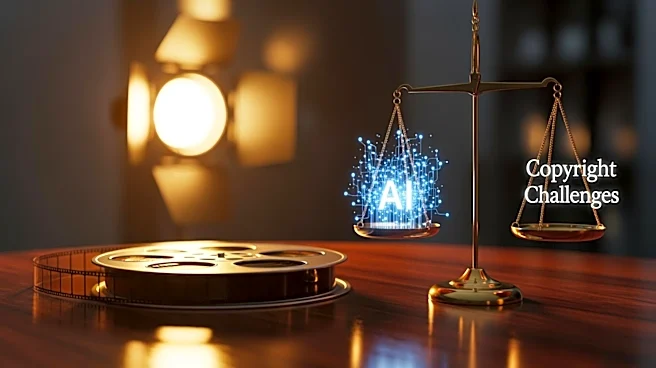
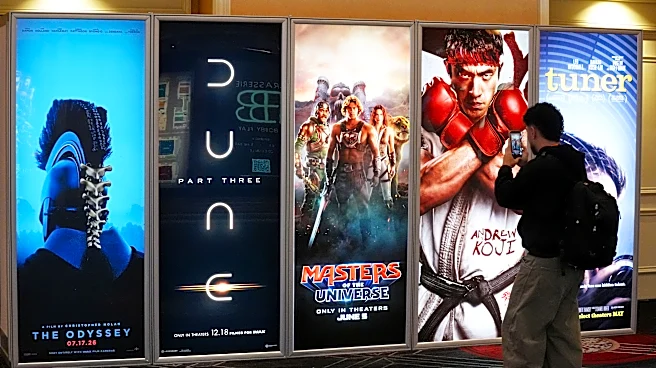
Charles Rivkin, Chairman of the Motion Picture Association, addressed the CinemaCon conference in Las Vegas, discussing the dual nature of artificial intelligence (AI) in the film industry. Rivkin acknowledged the fears surrounding AI, particularly its
potential to cause job losses, which contributed to the actors and writers strikes of 2023. Despite these concerns, Rivkin emphasized AI's potential to enhance storytelling and improve fan experiences, likening it to previous technological advancements in cinema. He urged the industry to focus on responsible development and use of AI, while maintaining core principles such as copyright protection. Rivkin's comments come as major studios, including Disney and Comcast, engage in legal battles over AI's impact on intellectual property rights.
Why It's Important?
The integration of AI into the film industry represents a significant shift in how content is created and consumed. While AI offers cost-cutting benefits, it also poses a threat to traditional cultural dominance by lowering barriers to high-end content creation. This development could lead to a redefinition of roles within the industry, affecting employment and creative processes. Rivkin's balanced approach highlights the need for the industry to adapt while safeguarding intellectual property, which is crucial for maintaining the economic and cultural integrity of Hollywood. The ongoing legal disputes underscore the tension between innovation and protection of established rights.
What's Next?
The film industry is likely to continue grappling with the implications of AI, as stakeholders seek to balance innovation with protection of intellectual property. Studios may need to develop new strategies to integrate AI responsibly, while addressing concerns from unions and other industry players. The outcome of legal battles over AI's use in content creation will be pivotal in shaping future policies and practices. Additionally, the potential merger between Paramount and Warner Bros. could further impact the industry landscape, with concerns about reduced film production and theater closures.