
What's Happening?
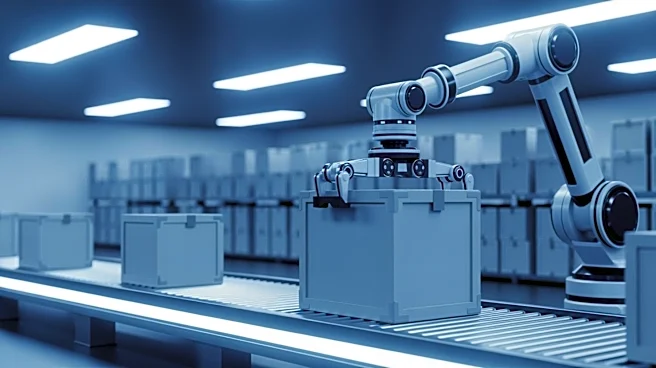
Walmart is leveraging artificial intelligence to enhance its supply chain operations, significantly reducing the time required for store employees to unload trucks. The retail giant has invested heavily
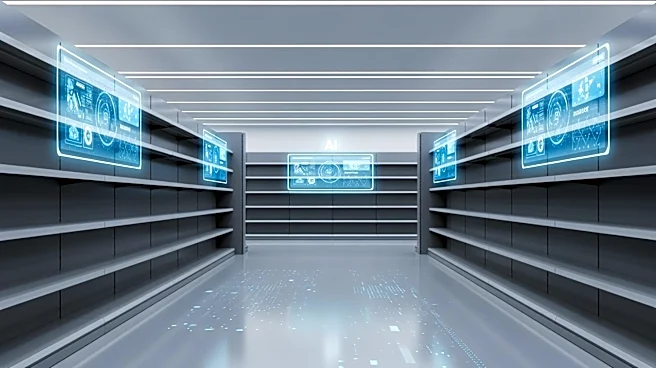
in building new distribution centers equipped with advanced robotics and AI systems. These facilities utilize store-level data to direct robots in arranging pallets, which streamlines the restocking process for workers. According to Walmart US CEO David Guggina, this technology allows for the unloading of trailers in mere minutes, a task that previously took hours. The AI-driven system also prioritizes pallets containing urgent supplies, ensuring they are loaded last and unloaded first. Walmart plans to expand this initiative, with 16 next-generation distribution centers expected by the end of the year.
Why It's Important?
The implementation of AI in Walmart's supply chain is a significant development in the retail industry, highlighting the growing trend of automation in logistics. By reducing unloading times, Walmart can improve operational efficiency, cut costs, and enhance inventory management. This technological advancement allows the company to maintain competitive pricing, benefiting consumers with lower prices. Additionally, the move underscores the increasing role of AI in transforming traditional retail operations, setting a precedent for other companies to follow. The efficiency gains from this initiative could lead to broader adoption of similar technologies across the industry, potentially reshaping supply chain management practices.
What's Next?
Walmart's expansion of AI-powered distribution centers is likely to continue, with plans to establish 16 such facilities by the year's end. This growth will likely prompt reactions from competitors, who may seek to implement similar technologies to remain competitive. The success of Walmart's initiative could also influence supply chain strategies across various sectors, encouraging further investment in AI and automation. As the technology evolves, stakeholders will need to address potential challenges, such as workforce adaptation and the ethical implications of increased automation in the workplace.