


What's Happening?
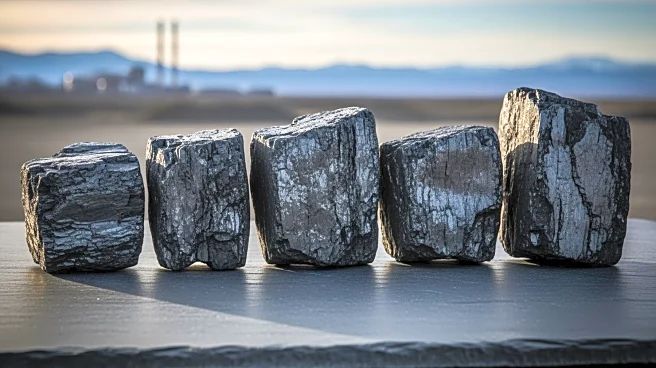
The U.S. Department of the Interior has announced a significant development in the energy sector with the proposed construction of a new 1.25-gigawatt coal-fired power plant in Alaska, known as the Terra Energy Center. This project, which marks the first
new coal-fired power station in the U.S. in more than ten years, is being developed by Flatlands Energy. A $500 million equity investment from the South Korea-based private equity group Koreit is part of the financial backing for this project. The announcement was made during the Indo-Pacific Energy Security Ministerial and Business Forum in Tokyo, Japan. The Terra Energy Center will feature utility-scale boilers, marking the first such order for a U.S. coal plant since 2006. This initiative aligns with the Trump administration's strategy to support fossil fuels, including efforts to keep existing coal plants operational.
Why It's Important?
The development of the Terra Energy Center highlights a significant moment in U.S. energy policy, particularly under the Trump administration, which has prioritized fossil fuel support. This project could potentially impact the energy mix in the U.S., where coal currently accounts for about 16% of the energy supply. The move comes at a time when there is a global shift towards cleaner energy sources, with natural gas and renewables like solar power increasingly dominating new power generation capacity. The investment from South Korean entities underscores international interest in U.S. energy projects, despite the broader trend of declining coal use. This project could influence energy policy debates, particularly concerning the balance between fossil fuel reliance and renewable energy adoption.
What's Next?
The Terra Energy Center's development will likely prompt discussions among policymakers, environmental groups, and industry stakeholders about the future of coal in the U.S. energy landscape. As the project progresses, it may face regulatory scrutiny and potential opposition from environmental advocates concerned about the environmental impact of new coal-fired power plants. Additionally, the project's success could influence future investments in similar fossil fuel projects, potentially affecting the pace of the U.S. transition to renewable energy sources. The outcome of this project may also impact international energy relations, particularly with countries like South Korea that are investing in U.S. energy infrastructure.