



What's Happening?
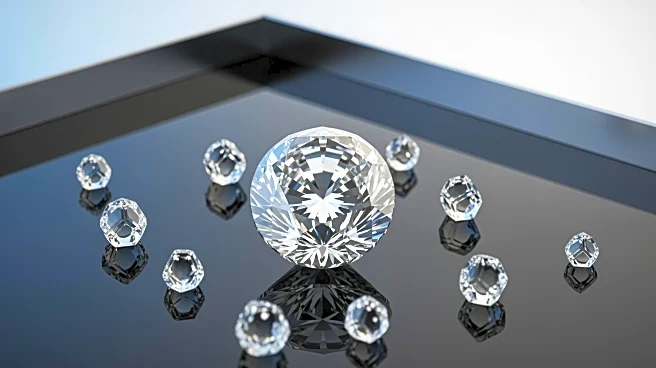
Swarovski, under the leadership of CEO Alexis Nasard since July 2022, has reported a 9% growth in its jewellery business in 2024, with significant contributions from the U.S. market and lab-grown diamonds. The company is focusing on creative craftsmanship and adapting to trends such as jewellery for all-day wear. Swarovski segments its offerings into low, medium, and high complexity, with the mid-tier showing the strongest growth due to its originality and accessible pricing. Lab-grown diamonds have been pivotal in attracting new customers, including those traditionally preferring mined diamonds. The brand's strategy includes launching capsule collections and partnerships with celebrities, such as Ariana Grande, to maintain cultural relevance.
Why It's Important?
Swarovski's strategy highlights a shift in consumer preferences towards more affordable luxury options that do not compromise on creativity or quality. The focus on mid-tier complexity and lab-grown diamonds aligns with broader trends in sustainability and economic accessibility, appealing to a diverse customer base. This approach not only strengthens Swarovski's position in the competitive jewellery market but also sets a precedent for other luxury brands to balance innovation with affordability. The U.S. market's strong performance underscores the potential for growth in regions where discretionary spending remains robust, even amid economic uncertainties.
What's Next?
Swarovski plans to continue expanding its presence in key metropolitan areas in the U.S. and other growth markets like South Korea and Brazil. The company aims to enhance its store experiences to encourage repeat visits and self-purchases, particularly among women. As lab-grown diamonds gain mainstream acceptance, Swarovski is poised to capitalize on this trend, potentially increasing its market share. The brand's ongoing engagement with cultural trends and strategic partnerships will likely sustain its momentum and influence in the jewellery industry.
Beyond the Headlines
Swarovski's emphasis on lab-grown diamonds reflects a broader industry shift towards sustainable practices. This move not only appeals to environmentally conscious consumers but also positions the brand as a leader in ethical luxury. The rise of men's jewellery and the reimagining of traditional elements like pearls and charms indicate evolving gender norms and cultural expressions. These trends suggest a long-term transformation in how jewellery is perceived and consumed, with implications for design, marketing, and consumer engagement strategies.