
What's Happening?
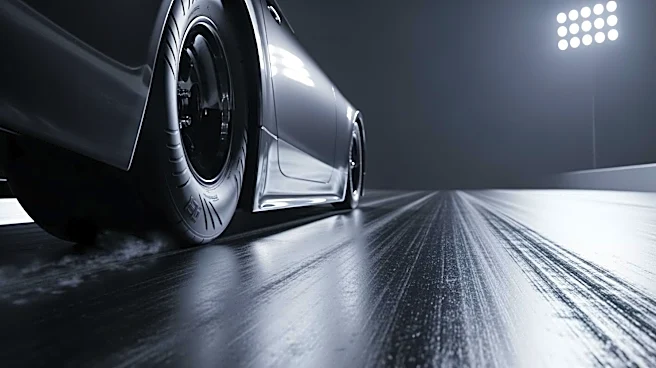
The National Hot Rod Association (NHRA) temporarily stopped racing activities at the Lucas Oil Winternationals held at the In-N-Out Burger Pomona Dragstrip following a severe crash involving Top Alcohol Dragster driver James Stevens. The incident occurred
during the first round of eliminations when Stevens' dragster veered off course, hitting timing cones and eventually crashing into the guard wall. The crash resulted in significant damage to the vehicle and serious injuries to Stevens. According to a social media post by his daughter, Jess Hampton, Stevens sustained multiple injuries, including a broken forearm, broken left wrist, a fractured C-7 vertebra, bruised lung, rib fractures, and a possible broken back. This incident marks the second time Stevens has crashed at this track, with a previous accident occurring in 2019. He is currently in a lot of pain and is scheduled for surgery.
Why It's Important?
The crash highlights the inherent risks associated with drag racing, a sport known for its high speeds and potential for accidents. The incident underscores the importance of safety measures and medical readiness at racing events. For the NHRA, ensuring the safety of drivers and maintaining the integrity of the sport is paramount. The accident could prompt a review of safety protocols and track conditions to prevent future incidents. For fans and participants, the crash serves as a stark reminder of the dangers involved in motorsports. The outcome of Stevens' surgery and recovery will be closely watched by the racing community, as it may influence future safety regulations and driver training programs.
What's Next?
James Stevens is scheduled to undergo surgery to address his injuries. The NHRA and the racing community will likely monitor his recovery closely. Depending on the outcome, there may be discussions about enhancing safety measures at the Pomona track and other NHRA events. The organization may also consider revisiting its emergency response protocols to ensure rapid and effective medical intervention in future incidents. Additionally, the NHRA might engage with drivers and teams to gather feedback on safety improvements and track conditions.