
What's Happening?
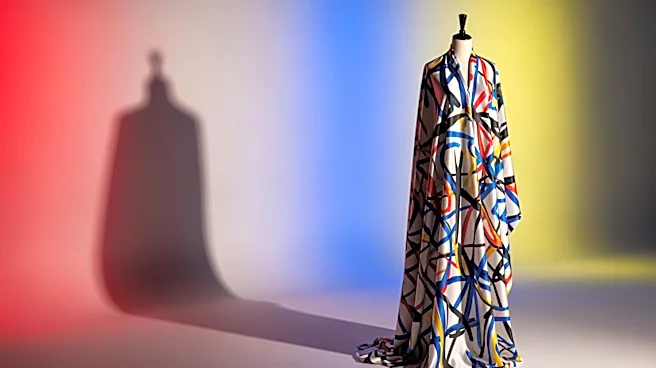
Luxury fashion houses such as Gucci, Dior, and Louis Vuitton are increasingly integrating art into their resort collections, as seen in recent showcases. Louis Vuitton, in particular, has embarked on a significant
cultural partnership with The Frick Collection in New York. This collaboration includes funding for special exhibitions and free-admission evenings, marking a new chapter in the brand's engagement with cultural institutions. The partnership was celebrated with a runway show at The Frick Collection, featuring designs inspired by artist Keith Haring. This trend reflects a broader movement within the luxury fashion industry to intertwine with the art world, using cultural sponsorships to enhance brand prestige and appeal.
Why It's Important?
The integration of art into luxury fashion collections signifies a strategic move by brands to elevate their cultural cachet and appeal to a discerning clientele. By associating with prestigious art institutions, these brands not only enhance their image but also tap into new consumer bases that value cultural sophistication. This trend underscores the growing importance of cultural capital in the luxury market, where taste and artistic inspiration are becoming key differentiators. For the U.S. market, this could mean increased visibility and influence of American cultural institutions on a global stage, as well as potential economic benefits from tourism and increased patronage.
What's Next?
As luxury brands continue to forge partnerships with cultural institutions, we can expect more collaborations that blend fashion with art. This could lead to innovative marketing strategies and unique consumer experiences, further blurring the lines between fashion and art. Stakeholders in the fashion industry may also explore similar partnerships to stay competitive, potentially leading to a broader cultural renaissance within the luxury sector. Additionally, these collaborations could inspire other industries to seek similar synergies, fostering a more integrated cultural economy.
Beyond the Headlines
The trend of luxury brands partnering with art institutions raises questions about the commercialization of culture and the role of fashion in shaping cultural narratives. While these partnerships can provide financial support to cultural institutions, they also risk commodifying art for commercial gain. This dynamic could influence how art is curated and presented, potentially prioritizing marketable aesthetics over artistic integrity. As this trend evolves, it will be important to consider the ethical implications and ensure that cultural partnerships benefit both the art world and the fashion industry equitably.