






What's Happening?
The Department of Justice (DOJ) has initiated a formal investigation into the National Football League (NFL) to determine if the league has engaged in anti-competitive practices concerning its television deals. This investigation is particularly focused
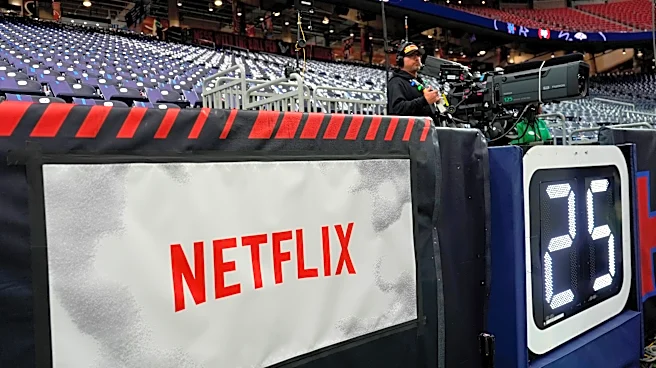
on the NFL's use of pay-walled streaming platforms to broadcast games, which may violate antitrust exemptions granted under the Sports Broadcasting Act (SBA) of 1961. The SBA allows major sports leagues to bypass certain antitrust laws for telecasting their matches. However, the rise of streaming services has complicated this landscape, potentially burdening consumers with high costs to access games. The investigation follows concerns raised by Senators Mike Lee and Tammy Baldwin, who argue that the current model limits accessibility and increases costs for fans.
Why It's Important?
The investigation into the NFL's broadcasting practices is significant as it could reshape how sports content is distributed in the U.S. If the DOJ finds that the NFL's practices are anti-competitive, it could lead to changes in how games are broadcast, potentially increasing accessibility for fans. This could also set a precedent for other major sports leagues, prompting them to reevaluate their distribution models. The outcome of this investigation could impact the financial dynamics of sports broadcasting, affecting stakeholders such as broadcasters, streaming platforms, and consumers. Fans, who currently face high costs to access games across multiple platforms, stand to benefit from potential regulatory changes that could lower costs and increase accessibility.
What's Next?
As the DOJ's investigation progresses, the NFL and other major sports leagues may face increased scrutiny over their broadcasting agreements. Legislative actions, such as the proposed For the Fans Act, could gain traction, aiming to prohibit blackouts on league-owned streaming services and require free viewing options for local fans. The outcome of this investigation could lead to regulatory changes that redefine the sports broadcasting landscape, potentially influencing how leagues negotiate future television and streaming deals. Stakeholders, including broadcasters, streaming services, and sports leagues, will likely monitor the situation closely, preparing for potential shifts in the regulatory environment.