





What's Happening?
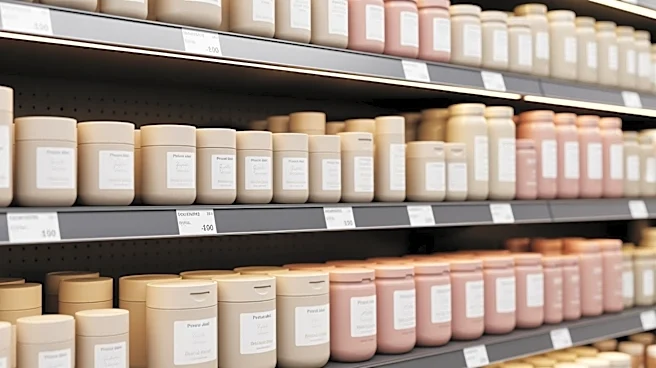
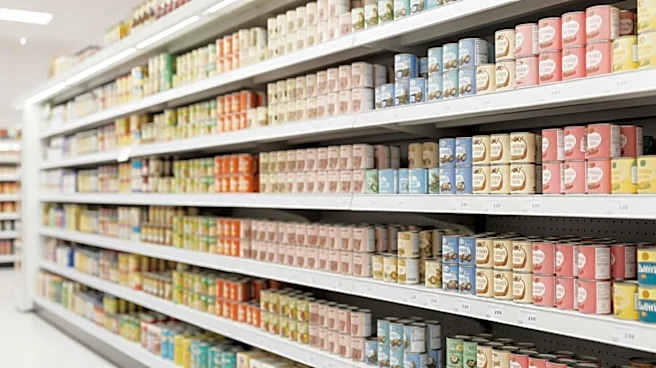
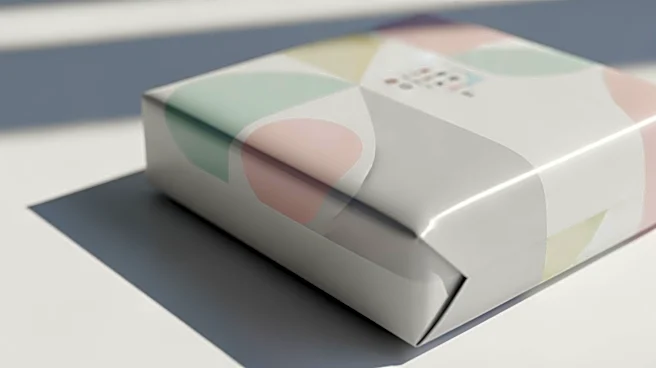
Walmart is set to refresh the packaging of its largest private label brand, Great Value, starting in May. This initiative will see approximately 10,000 items, ranging from LED lightbulbs to frozen chicken nuggets, receive new, more modern and colorful
packaging. The company has not updated the brand's look in over a decade, although the products and prices will remain unchanged. The redesign will begin with snacks and gradually extend to cereals, cream cheeses, and sour cream items over the next 18 to 24 months. Scott Morris, Walmart U.S.'s senior vice president of private brands, emphasized the need to meet consumer expectations for private brands that do not resemble cheaper alternatives to national brands. Great Value has a significant market presence, with 87% of U.S. households purchasing at least one item from the brand in the past year.
Why It's Important?
The overhaul of Great Value's packaging is a strategic move by Walmart to maintain its competitive edge in the private label market. Private brands have been gaining market share in the U.S., now holding about 20% of the grocery market, a notable increase from 15% a decade ago. This trend is driven by consumer demand for high-quality, affordable alternatives to national brands. By modernizing Great Value's packaging, Walmart aims to enhance the brand's appeal, particularly among wealthier consumers who have been increasingly shopping at Walmart for its competitive prices and diverse product offerings. This move also positions Walmart to better compete with other retailers like Amazon, Costco, and Trader Joe's, which have strong private label offerings.
What's Next?
Walmart's packaging redesign is expected to roll out over the next 18 to 24 months, with the potential to influence consumer perceptions and purchasing decisions. As the new packaging hits the shelves, Walmart will likely monitor consumer feedback and sales data to assess the impact of the redesign. The company may also explore further enhancements to its private label offerings, such as introducing new products or expanding existing lines. Competitors in the retail sector may respond by investing in their own private label brands to retain market share and attract consumers seeking value and quality.