



What's Happening?
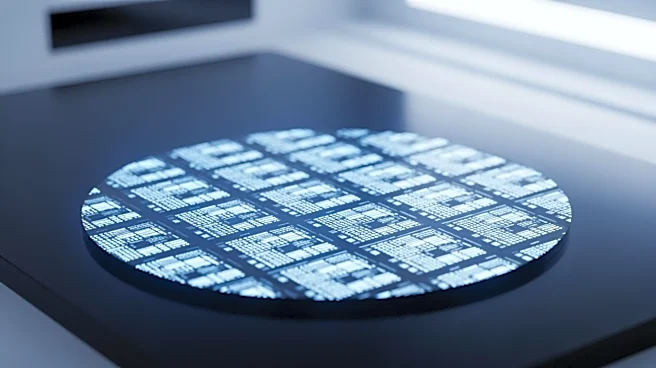
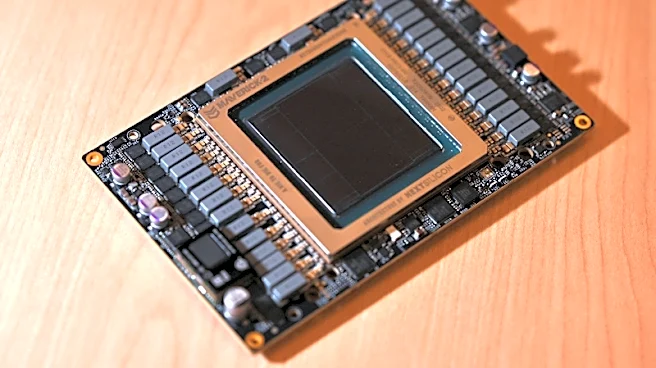
AMD has announced the production ramp of its 6th Generation EPYC processors, codenamed 'Venice', utilizing TSMC's advanced 2nm process technology. This development marks a significant milestone in AMD's collaboration with TSMC, as 'Venice' becomes the first
high-performance computing product to achieve production ramp on this cutting-edge technology. The move is part of AMD's strategy to enhance its data center CPU roadmap, aiming to deliver superior performance and energy efficiency for next-generation cloud, enterprise, and AI infrastructure. The production is currently taking place in Taiwan, with plans to expand to TSMC's Arizona facility. This initiative reflects AMD's commitment to strengthening its manufacturing capabilities globally, ensuring a robust supply chain to meet the growing demand for AI infrastructure.
Why It's Important?
The production ramp of AMD's 'Venice' processors on TSMC's 2nm technology is crucial for the semiconductor industry, particularly in the context of AI and high-performance computing. As AI workloads become more complex, the demand for efficient and powerful CPUs increases. AMD's advancement in this area positions it as a leader in providing the necessary infrastructure to support AI and cloud computing. This development not only enhances AMD's competitive edge but also supports the broader tech industry's shift towards more advanced and efficient computing solutions. The collaboration with TSMC underscores the importance of strategic partnerships in achieving technological breakthroughs and maintaining a competitive advantage in the rapidly evolving semiconductor market.
What's Next?
AMD plans to continue its expansion of 2nm technology with the introduction of 'Verano', another 6th Gen EPYC processor designed to optimize performance and efficiency for AI and cloud computing workloads. This expansion is expected to further solidify AMD's position in the market, as it leverages TSMC's advanced manufacturing capabilities. The ongoing partnership between AMD and TSMC is likely to drive further innovations in high-performance computing, with potential implications for data center operations and AI infrastructure development. Stakeholders in the tech industry will be closely monitoring these developments, as they could influence future trends in semiconductor manufacturing and AI technology deployment.