
What's Happening?
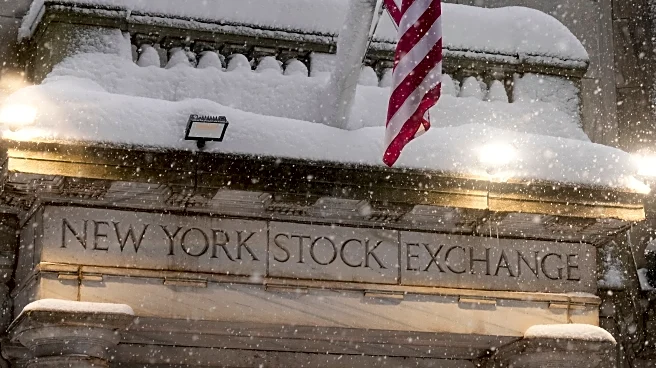
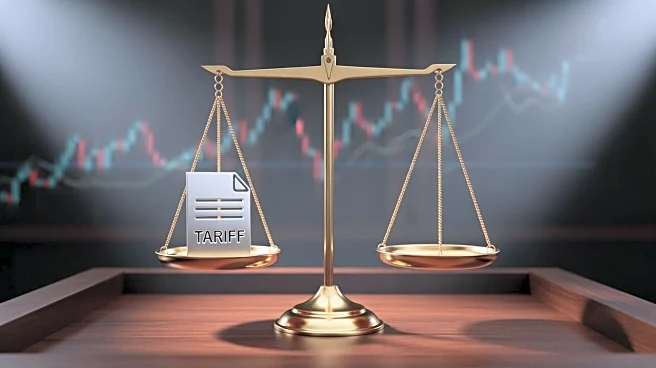
The U.S. stock market is experiencing volatility following President Trump's announcement to raise global tariffs from 10% to 15%. This decision comes after the Supreme Court struck down the president's 'reciprocal' tariffs, leading to uncertainty in the market.
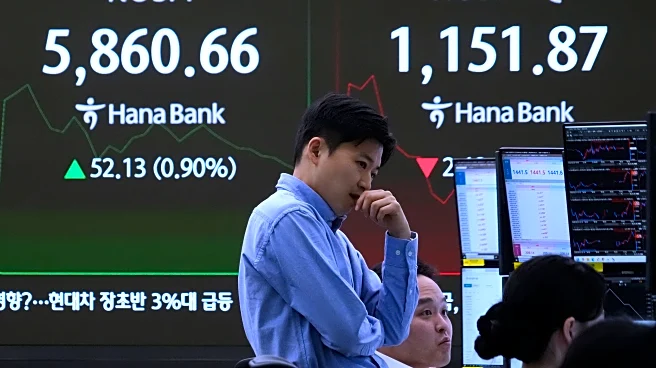
On Sunday night, Dow Jones Industrial Average futures fell by 0.6%, while S&P 500 and Nasdaq 100 futures dropped by 0.7% and nearly 1%, respectively. The announcement has also affected oil prices, with Brent crude futures declining by 0.7% and U.S. crude futures down by 0.8%. Bitcoin saw a significant drop, falling 5% to below $65,000. The market's reaction reflects concerns over inflation and global economic growth, as investors await further clarity from the White House on the implementation of these tariffs.
Why It's Important?
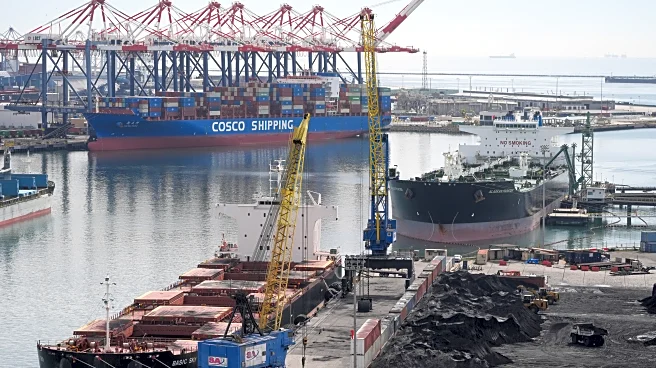
The increase in tariffs by President Trump is significant as it adds to the ongoing trade tensions between the U.S. and its global partners. The market's reaction indicates investor apprehension about the potential impact on inflation and economic growth. The Supreme Court's decision to strike down the reciprocal tariffs initially provided some hope for easing tensions, but the subsequent tariff increase has reignited concerns. This development could lead to increased costs for businesses and consumers, potentially affecting economic stability. The situation underscores the complex interplay between trade policies and market dynamics, highlighting the need for clear communication and strategic planning from the government to mitigate adverse effects.
What's Next?
Investors and businesses are closely monitoring the situation for further announcements from the White House regarding the implementation of the new tariffs. The potential for additional levies in the coming months, as hinted by President Trump, could further influence market behavior. The upcoming State of the Union address may provide more insights into the administration's trade strategy. Additionally, key economic data releases, such as durable goods orders and factory orders, will be watched for indications of the broader economic impact. Companies affected by the tariffs may seek refunds or adjustments, depending on future policy clarifications.