




What's Happening?
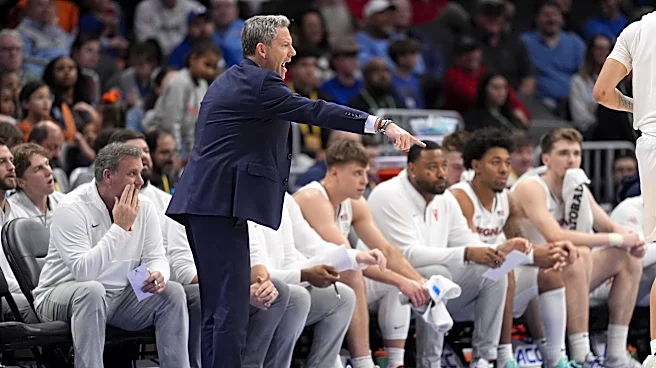
Illinois head coach Bret Bielema has publicly urged Notre Dame to join a conference following comments from Notre Dame's athletic director, Pete Bevacqua, about the potential formation of a super league in college football. Bevacqua suggested that a super league could
maximize media value by creating highly competitive schedules involving top teams like Notre Dame, Alabama, and Georgia. However, he expressed opposition to the idea, acknowledging that it might not drive the expected media value. Bielema's comments reflect a broader sentiment among college football stakeholders who are concerned about the impact of a super league on traditional rivalries and the overall structure of college sports.
Why It's Important?
The discussion around a super league in college football highlights ongoing debates about the commercialization of the sport and the balance between tradition and financial incentives. A super league could significantly alter the landscape of college football, potentially diminishing the importance of existing conferences and rivalries. For institutions like Notre Dame, which have historically remained independent, joining a conference could provide stability and ensure continued participation in high-profile games. The outcome of this debate could influence the future of college football, affecting media rights, fan engagement, and the competitive balance among teams.
What's Next?
As discussions about the potential formation of a super league continue, stakeholders in college football will need to weigh the benefits and drawbacks of such a move. Conferences and universities may engage in negotiations to protect their interests and ensure the sustainability of the sport. Fans and alumni could also play a role in shaping the conversation, as their support is crucial for the success of any changes. The NCAA and other governing bodies may need to consider regulatory measures to address the implications of a super league and preserve the integrity of college football.