

What's Happening?
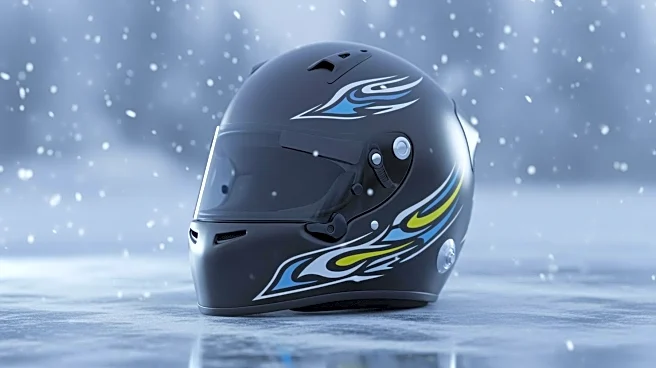
Ukrainian skeleton racer Vladyslav Heraskevych has been barred by the International Olympic Committee (IOC) from wearing a helmet that features images of fellow Ukrainian athletes killed in Russian attacks. Heraskevych, who is competing in the Milan Cortina Olympics, intended the helmet as a tribute. The IOC cited a rule against political statements during the Games as the reason for the ban. Despite the ruling, Heraskevych expressed his desire to honor the athletes, some of whom were medalists in the Youth Olympic Games. Ukrainian President Volodymyr Zelenskyy supported Heraskevych's initiative, emphasizing the importance of reminding the world of Ukraine's struggle.
Why It's Important?
The IOC's decision underscores the ongoing debate about the intersection of
sports and politics. The ruling highlights the challenges athletes face when attempting to make political or social statements on the international stage. The situation also draws attention to the broader context of the Russia-Ukraine conflict and its impact on global events, including the Olympics. The decision may influence future discussions on the role of sports in political discourse and the extent to which athletes can express their views.
What's Next?
Heraskevych may continue to seek ways to honor his fallen compatriots within the IOC's guidelines. The decision could prompt discussions within the Olympic community about revising rules related to political expressions. Additionally, the situation may lead to increased scrutiny of the IOC's policies and their application in similar cases. The broader implications for athlete activism and the role of sports in political matters may also be explored.