






What's Happening?
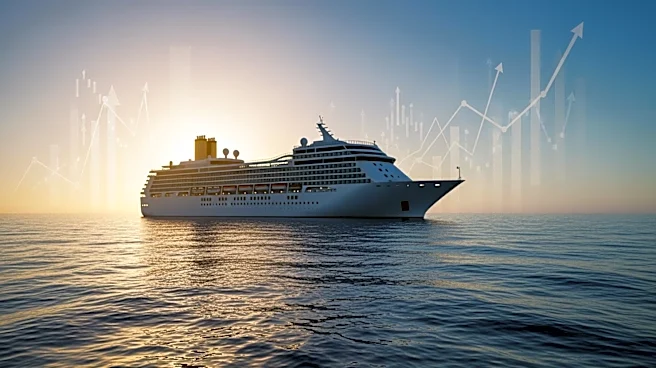
The cruise industry has experienced substantial growth, with the Cruise Lines International Association (CLIA) reporting a global economic impact of $198 billion in 2024 and $60 billion in wages. The industry carried 37 million passengers last year, a significant
increase from 1.9 million in 1985. The fastest-growing segments include expedition and ultra-luxury cruising, with river cruising also seeing strong growth. The industry is investing heavily in new ships, with nearly $100 billion in orders stretching until 2039. The introduction of LNG-fueled ships and other sustainable technologies is also a focus, as the industry aims to reduce its environmental impact.
Why It's Important?
The growth of the cruise industry has significant economic implications, contributing billions to the global economy and creating numerous jobs. The industry's expansion into new markets and segments, such as ultra-luxury and expedition cruising, reflects changing consumer preferences and offers new opportunities for economic development. The focus on sustainability and new technologies is crucial as the industry seeks to address environmental concerns and meet regulatory requirements. This growth also highlights the resilience of the cruise industry, which has rebounded strongly from the challenges posed by the COVID-19 pandemic.
What's Next?
The cruise industry is expected to continue its growth trajectory, with CLIA forecasting 38.3 million passengers in 2026 and over 42 million by the end of the decade. The industry will likely continue to invest in new ships and technologies, with a focus on sustainability and reducing environmental impact. As the industry expands, it will need to address challenges such as overtourism and the need for infrastructure development in new destinations. The continued growth of the industry will also depend on its ability to adapt to changing consumer preferences and regulatory requirements.