

What's Happening?
The Bureau of Labor Statistics reported that the Consumer Price Index (CPI) rose by 2.7% in December 2025 compared to the previous year, maintaining the same rate as November. This stagnation in inflation progress is attributed to ongoing price pressures from tariffs and distortions caused by a recent government shutdown. Key areas such as groceries, dining out, and utilities have seen elevated inflation rates. Economists note that tariffs imposed by President Trump have contributed to these pressures, although the pass-through to consumers has been less than expected, as businesses have absorbed some costs to maintain consumer demand.
Why It's Important?
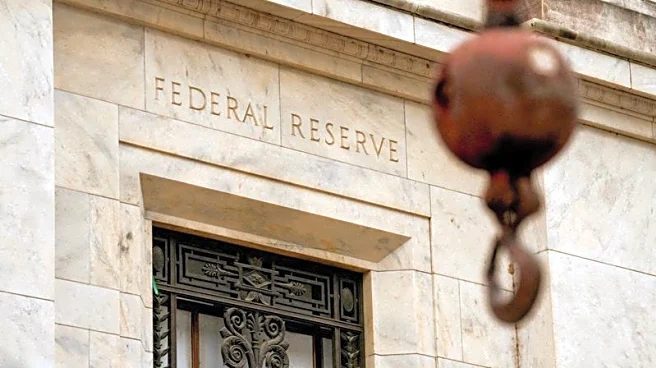
The persistent inflation rate above the Federal Reserve's target of 2% highlights ongoing economic challenges.
The tariffs have added approximately half a percentage point to inflation, complicating efforts to stabilize prices. This situation affects consumer affordability, particularly for staples and necessities, and poses a challenge for policymakers aiming to balance economic growth with inflation control. The data also underscores the impact of the government shutdown on economic reporting, which has led to assumptions in data collection that may not fully reflect market conditions.
What's Next?
Economists predict that inflation may begin to decline in the latter half of 2026, assuming no new tariffs are introduced. The Federal Reserve is likely to maintain its current interest rate policy while monitoring inflation trends closely. A potential Supreme Court ruling could impact the legal framework for tariffs, influencing future inflationary pressures. Businesses and consumers will continue to navigate these economic conditions, with affordability remaining a key concern.