





What's Happening?
Inflation has surged to 3.3%, the highest rate in two years, according to the Bureau of Labor Statistics. This increase is likely to impact mortgage interest rates, as lenders may raise rates to offset market risks. The Federal Reserve's interest rate policy
remains a key factor, but other economic conditions are influencing rate fluctuations. Borrowers are advised to consider locking in current rates to avoid potential increases.
Why It's Important?
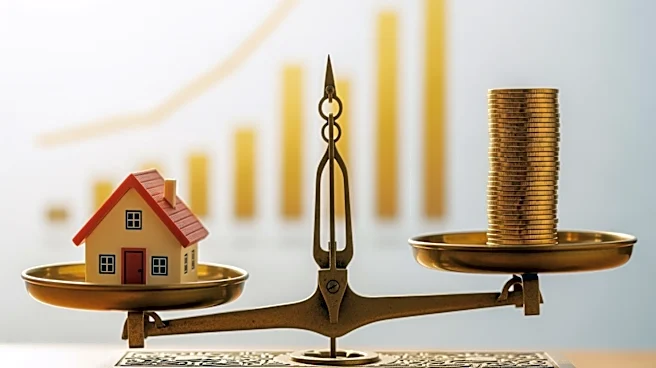
The rise in inflation could lead to higher borrowing costs, affecting homebuyers and those looking to refinance. The potential increase in mortgage rates may deter some buyers, impacting the housing market and related industries. Understanding the implications of inflation on mortgage rates is crucial for financial planning and decision-making. The situation highlights the interconnectedness of economic indicators and their influence on consumer behavior.
What's Next?
Borrowers may need to act quickly to secure favorable mortgage rates before potential increases. The Federal Reserve's future policy decisions will be closely watched, as they could further influence rate trends. The housing market may experience shifts in buyer activity and competition, depending on how inflation impacts affordability and consumer sentiment.