

What's Happening?
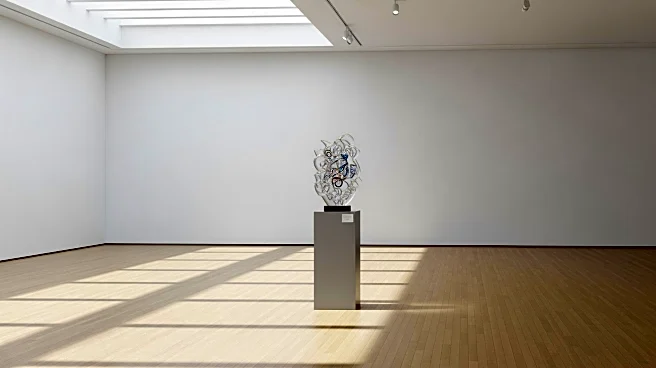
The Art Newspaper has released a comprehensive guide to the major art exhibitions, museum openings, and biennials scheduled for 2026. This year promises a rich array of cultural events across the globe, with significant activities in the United States. Notable U.S. exhibitions include 'Matisse’s Femme au Chapeau: A Modern Scandal' at SFMOMA in San Francisco, 'Mary Cassatt: An American in Paris' at the National Gallery of Art in Washington, DC, and 'Marcel Duchamp' at MoMA in New York. Additionally, the Whitney Biennial is set to open on March 8, 2026, and the New Museum in New York will unveil 'New Humans: Memories of the Future' early in the year. These events are part of a broader international schedule that includes the Venice Biennale and new
museum openings such as the Lucas Museum of Narrative Art in Los Angeles.
Why It's Important?
The 2026 schedule of art exhibitions and museum openings underscores the ongoing global engagement with cultural and artistic expression. For the U.S., these events are significant as they attract international attention, boost tourism, and stimulate local economies. Museums and galleries play a crucial role in cultural diplomacy, offering platforms for dialogue and understanding across different cultures. The exhibitions also provide opportunities for American audiences to engage with diverse artistic narratives and historical perspectives, enriching the cultural landscape. Furthermore, these events can influence art markets, drive scholarly research, and inspire future generations of artists and art enthusiasts.
What's Next?
As these exhibitions and openings approach, museums and cultural institutions will likely ramp up marketing efforts to attract visitors. The success of these events could lead to increased funding and support for the arts, encouraging further investment in cultural infrastructure. Additionally, the outcomes of these exhibitions may influence future programming decisions and collaborations between international and U.S. institutions. Stakeholders, including artists, curators, and policymakers, will be closely monitoring attendance and reception to gauge public interest and engagement with the arts.