
What's Happening?
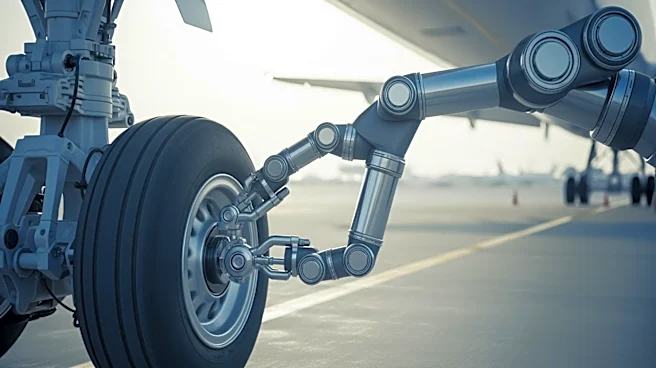
Japan Airlines (JAL) is collaborating with GMO AI & Robotics Corporation to trial humanoid robots at airports, aiming to address labor shortages exacerbated by increased tourism and a shrinking workforce.
These robots, manufactured in China, are designed to assist with luggage handling and other ground services, operating for 2 to 3 hours before requiring a recharge. The initiative is part of a broader effort to create a sustainable workforce model where robots support human workers, reducing physical strain and filling labor gaps. The trial will assess the robots' ability to integrate into existing airport infrastructure without major modifications.
Why It's Important?
The introduction of humanoid robots in airports represents a significant shift in how labor shortages in the aviation industry are addressed. By integrating robots into ground handling operations, JAL aims to enhance efficiency and reduce the physical demands on human workers. This move could set a precedent for other industries facing similar workforce challenges, particularly in sectors where physical labor is intensive. The success of this trial could lead to broader adoption of robotics in various operational areas, potentially transforming workforce dynamics and operational efficiency in the aviation sector.
What's Next?
The trial will proceed in phases, starting with an analysis of airport operations to identify suitable areas for robot deployment. If successful, the initiative could lead to a more widespread use of humanoid robots in airports, potentially altering the landscape of airport operations. Stakeholders, including airport authorities and labor unions, may closely monitor the trial's outcomes to assess the implications for workforce management and operational efficiency. The trial's success could also influence regulatory frameworks governing the use of robotics in public spaces.