







What's Happening?
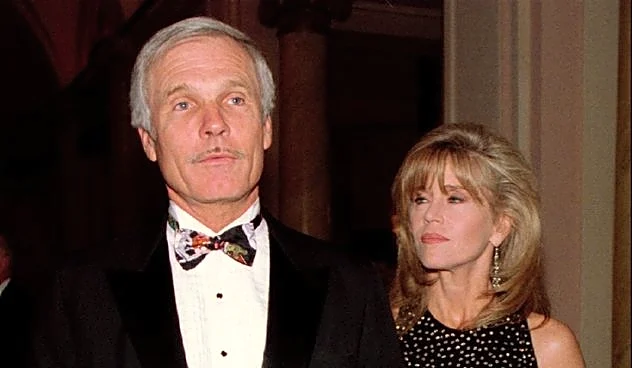
Ted Turner faced significant challenges in launching CNN, the first 24-hour news network, in 1980. Despite skepticism from established broadcasters and financial risks, Turner pursued his vision of continuous news coverage. He believed that if he provided
a constant supply of news, demand would follow. Turner's approach was unconventional, as he relied on his instincts rather than market research. He recruited a team willing to take risks and navigate the complexities of launching a new network. CNN's debut marked a departure from traditional news formats, offering round-the-clock coverage that was previously unheard of.
Why It's Important?
Turner's establishment of CNN disrupted the television news industry, challenging the dominance of major networks like ABC, NBC, and CBS. By providing 24/7 news coverage, CNN set a new standard for immediacy and accessibility in news reporting. This innovation forced other networks to reconsider their programming strategies and contributed to the proliferation of cable news channels. Turner's vision also had a global impact, as CNN's international reach provided audiences worldwide with access to real-time news. This shift in media consumption patterns has had lasting effects on how news is delivered and consumed.
What's Next?
As the media landscape continues to evolve, CNN and other news networks must adapt to changing viewer preferences and technological advancements. The rise of digital media and streaming services presents both challenges and opportunities for traditional news outlets. Networks may need to explore new formats and platforms to engage audiences and maintain relevance. Turner's legacy of innovation and risk-taking serves as a guiding principle for future developments in the industry, encouraging media companies to embrace change and explore new possibilities.
Beyond the Headlines
Turner's launch of CNN not only transformed the news industry but also had broader cultural implications. By prioritizing global news coverage, Turner contributed to a more informed and interconnected world. His approach challenged traditional media hierarchies and promoted a more democratic flow of information. This shift has ethical implications, as it raises questions about the role of media in shaping public discourse and the responsibility of news organizations to provide accurate and unbiased reporting. Turner's legacy continues to influence how news is produced and consumed, highlighting the importance of innovation and adaptability in the media industry.