
What's Happening?
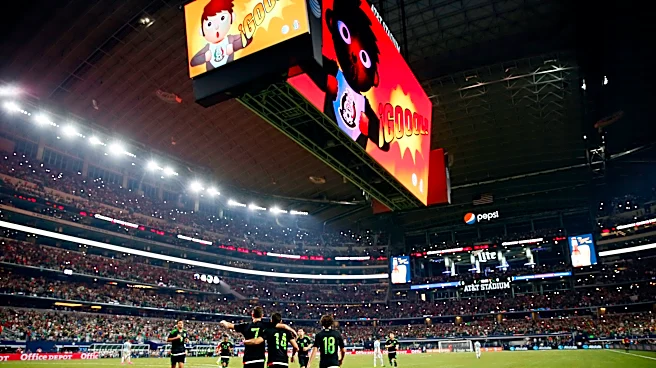
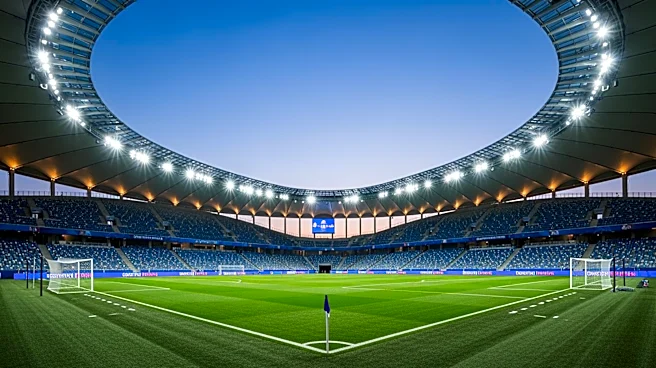
The AT&T Stadium in Arlington, Texas, home to the Dallas Cowboys, is set to host nine matches during the upcoming World Cup, which is being co-hosted by the United States, Canada, and Mexico. This venue
will host more matches than any of the other 16 sites involved in the event. The matches will include a semifinal on July 14, with the first match scheduled for June 14 between Japan and the Netherlands. The stadium, known for its retractable roof and large video board, will also see matches featuring World Cup heavyweights such as Argentina and England. This marks a significant event for the Dallas-Fort Worth area, which has a history of hosting World Cup matches, having been one of the host cities in 1994.
Why It's Important?
Hosting nine World Cup matches, including a semifinal, is a major opportunity for the Dallas-Fort Worth area, potentially boosting local tourism and the economy. The influx of international visitors is expected to benefit local businesses, particularly in hospitality and retail sectors. The event will also enhance the region's profile as a major sports destination, potentially attracting future international events. The World Cup's presence in Dallas could lead to increased investment in local infrastructure and public transportation, as the city prepares to accommodate the large number of visitors. This event underscores the growing importance of soccer in the U.S. sports landscape, reflecting the sport's increasing popularity and commercial potential.
What's Next?
As the World Cup approaches, local authorities and businesses in Dallas-Fort Worth are likely to ramp up preparations to accommodate the expected influx of visitors. This includes enhancing transportation options, such as the bus system connecting to the Trinity Railway Express, and ensuring that fan zones and hospitality venues are ready to welcome international guests. The event may also prompt discussions on long-term infrastructure improvements in the region. Additionally, local sports and tourism officials will likely focus on leveraging the World Cup to promote Dallas-Fort Worth as a premier destination for future international events.