







What's Happening?
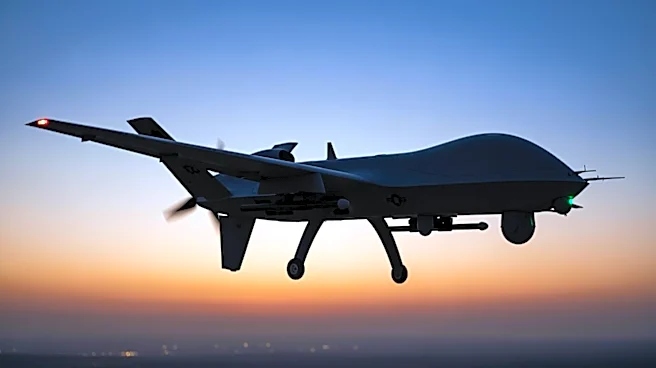
The U.S. defense industrial base is encountering significant challenges in scaling production to meet modern demands, particularly in the context of autonomous and disposable systems. The industry is pressured to produce thousands of units rapidly, a shift
from traditional multi-million dollar programs. This transition is complicated by the need for efficient coordination across expansive supply chains. Software plays a crucial role in connecting these supply chains and ensuring seamless communication across organizations. However, many defense programs are experiencing delays and budget overruns due to inefficiencies in task coordination and digitization. The Columbia-class submarine program, for example, involves over 3,000 suppliers, highlighting the complexity of managing such large-scale projects.
Why It's Important?
The ability to efficiently scale production is critical for maintaining the U.S. defense industry's competitiveness and readiness. As adversaries deploy cost-effective technologies like drones, the U.S. must respond with equally scalable solutions. The current inefficiencies in coordination and communication could lead to significant delays and increased costs, impacting national security and defense capabilities. The industry's reliance on outdated processes and lack of digitization could hinder its ability to meet the demands of modern warfare, where speed and adaptability are crucial.
What's Next?
To address these challenges, the defense industry may need to invest in modernizing its software infrastructure and processes. This could involve adopting new technologies that facilitate better coordination and communication across supply chains. Additionally, there may be a push for increased collaboration between traditional defense contractors and innovative startups that specialize in software and AI solutions. The industry will likely need to focus on training and retaining skilled workers who can navigate these new systems and processes.
Beyond the Headlines
The shift towards more scalable and efficient production methods in the defense industry could have broader implications for other sectors, such as aerospace and manufacturing. The lessons learned from addressing these challenges could inform best practices in supply chain management and coordination across various industries. Furthermore, the emphasis on software and digital infrastructure highlights the growing importance of technology in modern industrial operations.