




What's Happening?
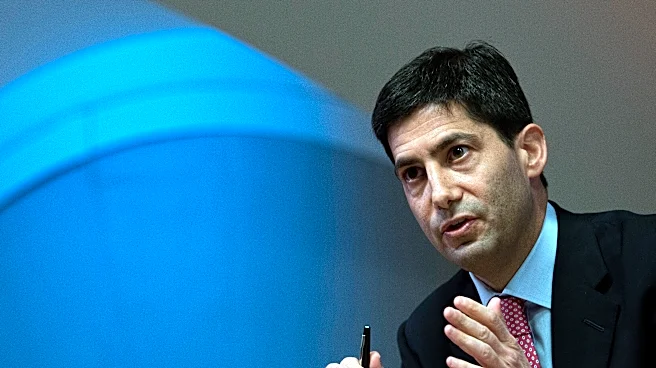
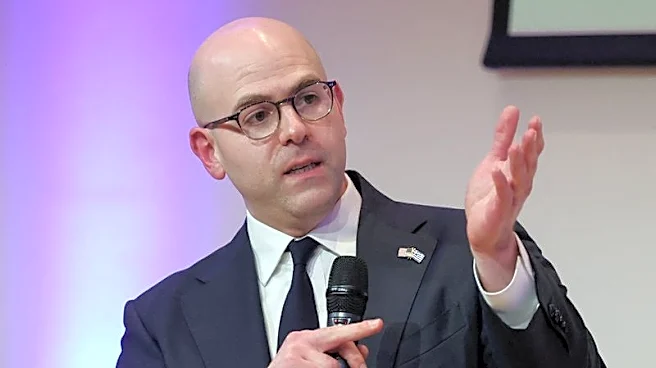
Kevin Warsh, nominated by President Trump to lead the Federal Reserve, is preparing for Senate Banking Committee hearings amid significant economic challenges. Warsh is expected to adopt a different approach from outgoing chair Jerome Powell, particularly
in interest rate policy. The nomination comes as the U.S. economy faces inflationary pressures due to domestic production policies and tariffs. Analysts suggest that the traditional methods of managing interest rates may no longer be effective in the current economic climate. Warsh's leadership will be crucial in navigating these complexities, especially as the Fed's role has expanded beyond traditional monetary policy.
Why It's Important?
The appointment of Kevin Warsh as Federal Reserve Chair could signal a shift in U.S. monetary policy, impacting interest rates and inflation management. Warsh's approach may influence borrowing costs, affecting businesses and consumers. The Fed's expanded role in economic policy underlines the importance of strategic leadership in maintaining economic stability. Warsh's decisions could have long-term implications for the U.S. economy, particularly in addressing inflation and supporting domestic production. The outcome of his nomination and subsequent policies will be closely watched by financial markets and economic stakeholders.
What's Next?
If confirmed, Warsh will need to address the challenges of inflation and interest rate management in a rapidly changing economic environment. His leadership will be tested in balancing domestic production goals with inflation control. The Fed's future policies under Warsh could involve reevaluating its balance sheet and bond-buying strategies. Stakeholders, including businesses and policymakers, will be keenly observing Warsh's approach to these issues, as his decisions will have significant implications for the U.S. economy.