

What's Happening?
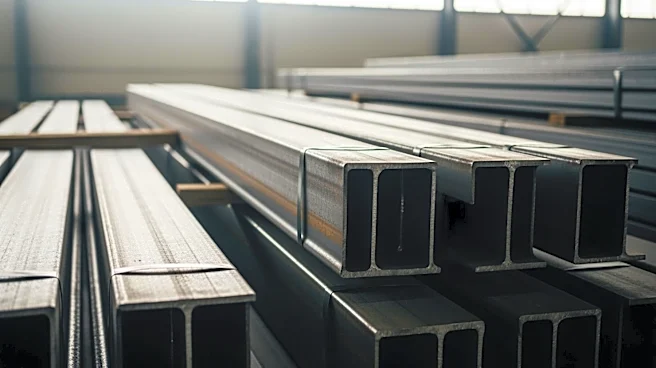
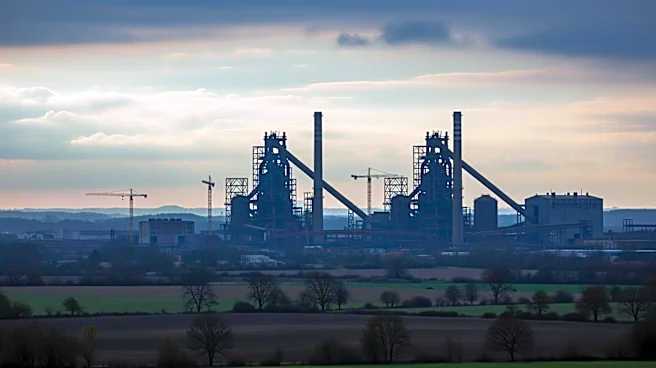
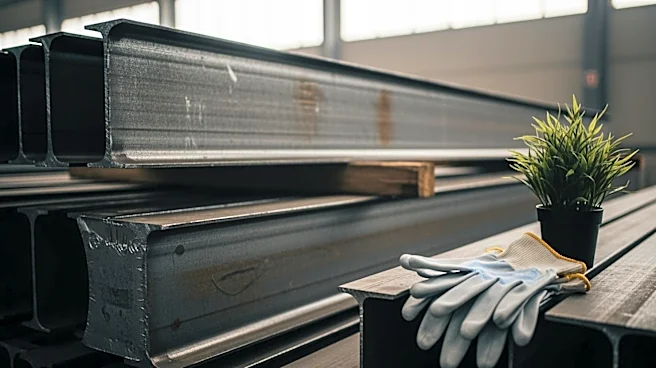
A coalition of labor unions, community, and climate groups has called on Hyundai to ensure its proposed $5.8 billion steel mill in Donaldsonville, Louisiana, adheres to stringent health and environmental standards while providing quality jobs. The coalition,
which includes the Sierra Club Delta Chapter, organized a town hall meeting to address local residents' concerns about potential displacement and the environmental impact of the facility. The groups are demanding Hyundai commit to a green facility and improve communication with the community. Concerns have been raised about the plant's potential pollution and health impacts, as well as Hyundai's previous safety record at a facility in Georgia.
Why It's Important?
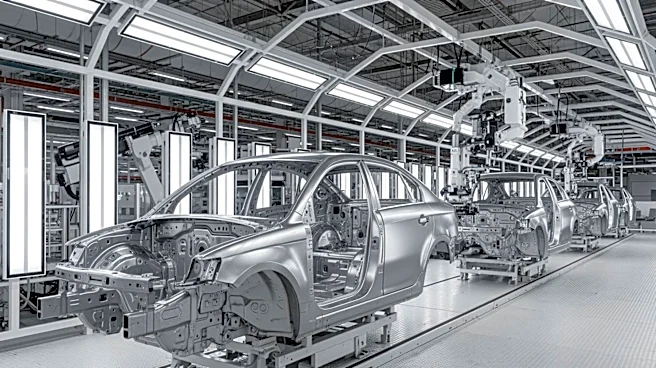
The development of Hyundai's steel mill in Louisiana is significant due to the growing demand for green steel among U.S. automakers like Ford, GM, and Tesla. The facility's promise of low-carbon emissions steel production could position Hyundai as a leader in sustainable manufacturing. However, the project faces scrutiny over environmental and labor practices, which could impact Hyundai's reputation and the local community's health. Ensuring transparency and accountability through Community Benefits Agreements could set a precedent for future industrial projects, emphasizing the importance of corporate responsibility in environmental and labor standards.
What's Next?
The coalition has requested Hyundai to provide written commitments for clean air, good jobs, and economic development. The Sierra Club has also urged the Louisiana Department of Environmental Quality to hold public hearings and allow for public comment before granting an air permit. Hyundai's plans to transition to green hydrogen by 2034 are under scrutiny, with calls for clarity on renewable energy sourcing. The outcome of these demands could influence Hyundai's operational strategies and community relations, potentially affecting the project's timeline and execution.
Beyond the Headlines
The situation highlights broader issues of corporate accountability and community empowerment in industrial development. The demand for green steel reflects a shift towards sustainable practices in manufacturing, driven by consumer and regulatory pressures. The involvement of labor unions and environmental groups underscores the importance of collaborative efforts in advocating for ethical business practices. This case could influence future negotiations between communities and corporations, emphasizing the need for transparency and equitable benefits in large-scale projects.