







What's Happening?
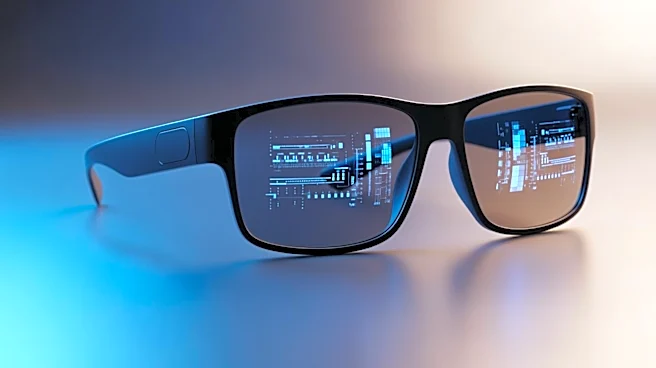
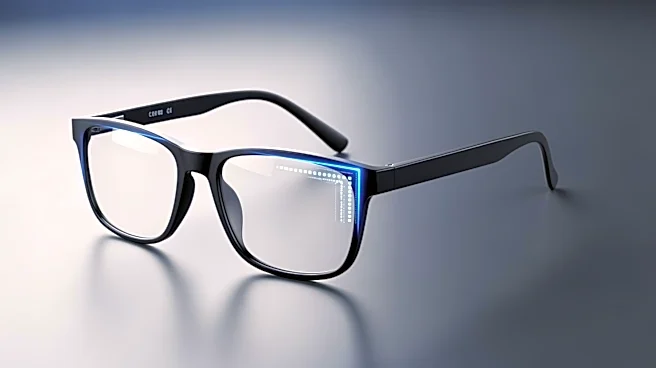
Even Realities has launched the Even G2 smart glasses, which are designed to prioritize user privacy by omitting cameras and speakers. Unlike other smart glasses that focus on capturing photos and videos, the Even G2 features an invisible heads-up display
(HUD) that projects information directly in front of the wearer's eyes. This design choice is intended to cater to professionals such as entrepreneurs, politicians, professors, and doctors who require discretion and confidentiality in their interactions. The glasses can display text, translate spoken words in real-time, and assist with presentations by scrolling through scripts as the user speaks. The company emphasizes that privacy considerations were integral to the product's development, ensuring that no personal data is stored or used to train AI models.
Why It's Important?
The introduction of the Even G2 smart glasses highlights a growing demand for technology that respects user privacy, particularly among professionals who handle sensitive information. By focusing on privacy, Even Realities is addressing concerns about data security and surveillance that have become prevalent with the rise of smart devices. This approach could influence the broader tech industry to reconsider the balance between functionality and privacy. For users, the glasses offer a tool that integrates seamlessly into their daily routines without compromising confidentiality. This development may also prompt other companies to innovate in ways that prioritize user trust and data protection, potentially reshaping consumer expectations and industry standards.
What's Next?
As Even Realities continues to market the Even G2 smart glasses, the company may explore additional features that enhance user experience while maintaining privacy. The success of these glasses could lead to further iterations or complementary products, such as the R1 smart ring, which already offers additional control over the G2's display. The industry may see increased competition as other tech companies respond to the demand for privacy-centric devices. Stakeholders, including privacy advocates and regulatory bodies, might also engage in discussions about setting new standards for data protection in wearable technology.
Beyond the Headlines
The launch of the Even G2 smart glasses raises important questions about the ethical implications of wearable technology. As devices become more integrated into personal and professional lives, the potential for misuse of data increases. Even Realities' commitment to not storing personal data sets a precedent for ethical considerations in product design. This approach could lead to a shift in consumer expectations, where privacy becomes a key factor in purchasing decisions. Additionally, the focus on privacy may influence regulatory frameworks, prompting governments to establish stricter guidelines for data handling in tech products.