
What's Happening?
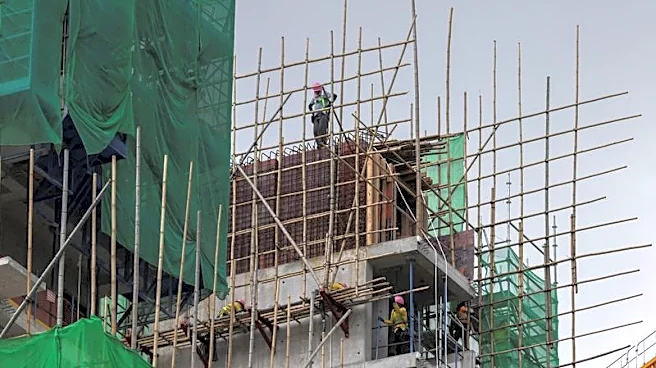
Realtor.com has released a study indicating that buyers of newly constructed homes can save an average of $25,335 over the first decade of ownership compared to those purchasing 20-year-old homes. These
savings are primarily due to lower energy bills and reduced need for major repairs. The study highlights a significant geographic variation, with New England states offering the greatest savings due to stricter building codes and harsher winters, while Southern states see the least savings. The research draws on data from Pearl, which rates homes across five performance pillars: Safety, Comfort, Operations, Resilience, and Energy. Realtor.com is also introducing interactive tools to help buyers understand the total cost of ownership, including personalized savings estimates on utilities and major system replacements.
Why It's Important?
The findings underscore the financial benefits of investing in new construction, which can offset the higher upfront costs associated with these homes. This is particularly relevant in regions with stringent building codes and severe weather conditions, where energy efficiency gains are more pronounced. The study suggests that in 16 metropolitan areas, the savings from new construction can fully cover the price premium over existing homes. This could influence buyer decisions, especially in markets where new construction is more affordable. Additionally, the report highlights the potential for builders to offer competitive pricing and mortgage rate buydowns, further enhancing the financial appeal of new homes.
What's Next?
As the real estate market continues to evolve, potential homebuyers may increasingly consider the long-term financial benefits of new construction. Builders might respond by emphasizing energy efficiency and offering incentives to attract buyers. Realtor.com's new interactive tools could become a valuable resource for buyers seeking to understand the true cost of homeownership. The study may also prompt policymakers to consider the impact of building codes on energy efficiency and housing affordability, potentially leading to regulatory changes that encourage sustainable construction practices.