






What's Happening?
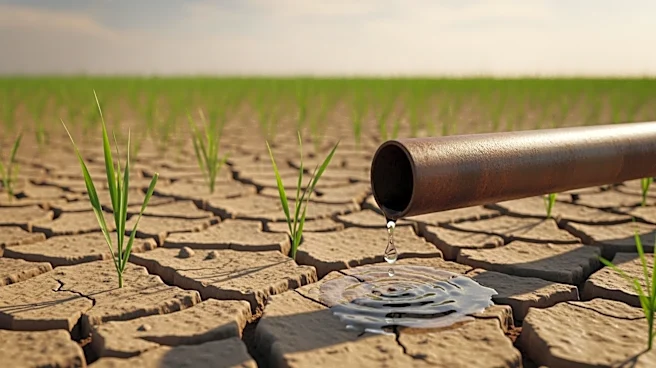
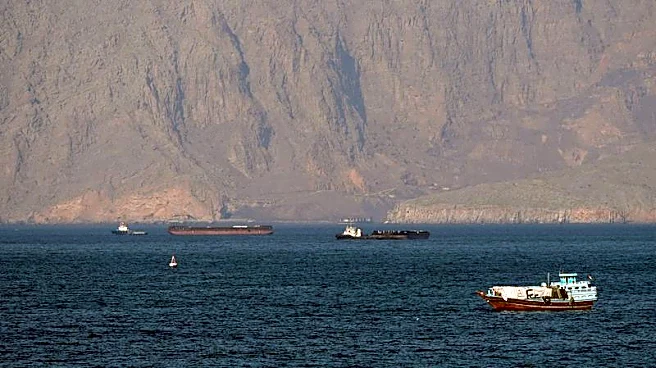
A Citi Research report has highlighted rising global food inflation risks, driven by potential disruptions in the Strait of Hormuz and worsening El Nino conditions. The report indicates that agricultural commodity prices could face significant upward
pressure over the next 6-12 months. Key factors contributing to this include higher energy costs, fertilizer shortages, and adverse weather conditions linked to El Nino. The report notes that a prolonged closure of the Strait of Hormuz could sharply increase the cost of agricultural production globally, as energy and fertilizer prices may rise. Additionally, higher fossil fuel prices could lead to increased use of agricultural commodities for biofuels, further elevating food prices. Traded agricultural prices have already risen by 13% year-to-date through mid-May, with commodities like sugar, cocoa, and coffee being particularly vulnerable to these risks.
Why It's Important?
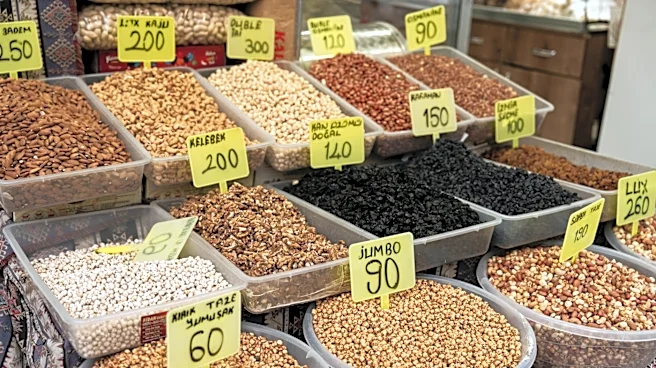
The potential rise in global food inflation poses significant challenges for economies worldwide, particularly those heavily reliant on agricultural imports. Higher food prices can lead to increased living costs, affecting consumer spending and economic stability. For the U.S., this could mean higher grocery bills and increased pressure on food supply chains. The agricultural sector may face increased production costs, impacting profitability and potentially leading to reduced output. Additionally, the use of agricultural commodities for biofuels could divert resources away from food production, exacerbating supply shortages. Policymakers and industry stakeholders must consider these risks in their strategic planning to mitigate potential economic disruptions.
What's Next?
If the Strait of Hormuz experiences prolonged disruptions, global agricultural markets may need to adapt by seeking alternative supply routes or increasing domestic production capabilities. Governments and businesses might invest in technologies to improve crop resilience against adverse weather conditions. Monitoring of El Nino patterns will be crucial for anticipating and mitigating impacts on crop yields. Stakeholders may also explore policy measures to stabilize food prices and ensure food security, such as subsidies or strategic reserves. The situation requires close attention from international bodies to coordinate responses and support affected regions.