
What's Happening?
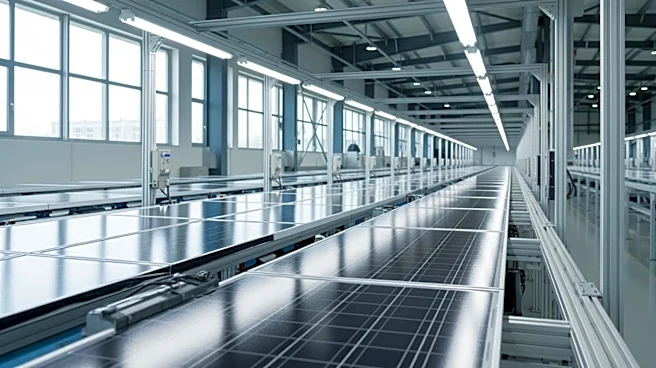
Epic Group has inaugurated its Trimetro Manufacturing Campus in Khordha, Odisha, marking India's first fully net-zero carbon and net-zero water garment manufacturing facility. The $100 million project
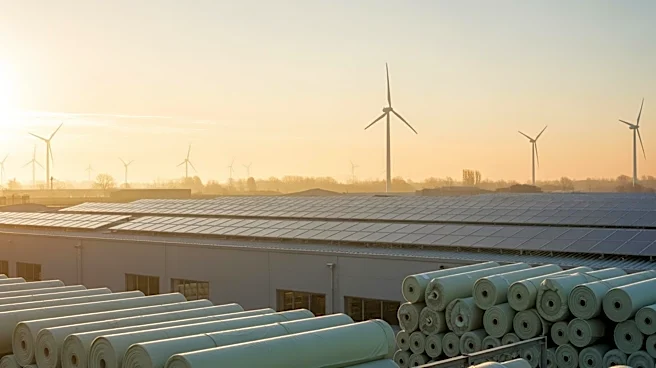
spans 40 acres and is expected to produce 20 million garments annually for global markets. The facility will create 10,000 jobs, with women comprising 80% of the workforce. The campus utilizes solar power, sustainable biomass, battery storage, and energy-efficient systems to achieve its net-zero goals. The project received financial backing from the International Finance Corporation (IFC) through a $100 million debt financing package.
Why It's Important?
The launch of the Trimetro Manufacturing Campus represents a significant step towards sustainable industrial practices in the apparel sector. By achieving net-zero carbon and water goals, the facility sets a benchmark for environmentally responsible manufacturing. This initiative aligns with global efforts to reduce industrial emissions and promote sustainable development. The project's focus on female employment also contributes to social empowerment and economic inclusion. As the apparel industry faces increasing scrutiny over its environmental impact, Epic Group's facility could influence industry standards and encourage similar initiatives worldwide.
What's Next?
Epic Group may continue to expand its sustainable manufacturing practices, potentially influencing other companies to adopt similar models. The success of the Trimetro campus could lead to further investments in green technology and infrastructure. As the facility begins operations, its performance will be closely monitored by industry stakeholders, including investors and environmental organizations. The project's impact on local communities and the broader apparel industry will likely be assessed, providing insights into the viability of large-scale sustainable manufacturing.
Beyond the Headlines
The Trimetro campus highlights the potential for integrating environmental responsibility with industrial growth. This approach could serve as a blueprint for other sectors seeking to balance economic development with sustainability. The facility's emphasis on renewable energy and resource efficiency may inspire innovations in manufacturing processes, contributing to long-term environmental benefits. Additionally, the project's focus on female employment underscores the importance of inclusive growth, which could have positive social and economic implications for the region.