




What's Happening?
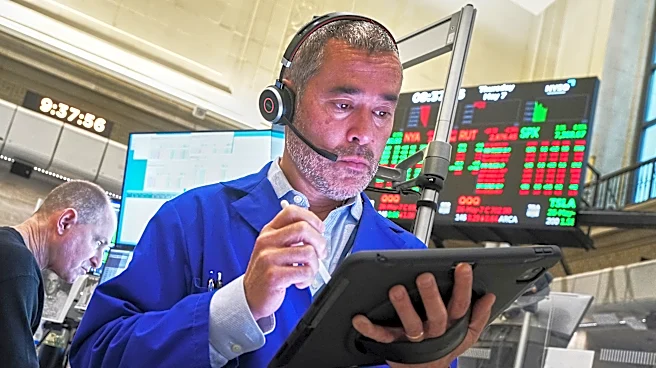
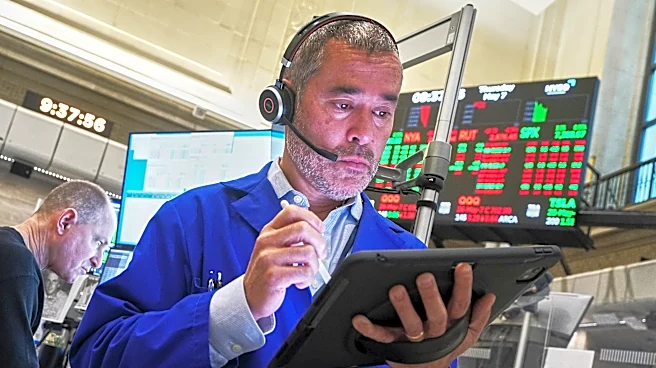
Oil and gas giants have reported significant profits in the first quarter of 2026, largely driven by their trading desks. Companies like TotalEnergies, Shell, and BP have highlighted robust trading results as a key factor in their stronger-than-expected
earnings. These trading desks, which buy, sell, and transport physical oil and gas while managing price risks, have thrived amid recent market volatility, particularly due to disruptions in the Strait of Hormuz during the Iran war. Despite the success, the profits from these trading divisions are often not disclosed separately, leading to an underestimation of their impact. Analysts note that while trading can be a source of long-term profit, it also introduces volatility and cash management challenges.
Why It's Important?
The success of trading desks underscores a competitive advantage for European oil majors over their U.S. counterparts, such as Exxon Mobil and Chevron, which have not developed trading units to the same extent. This advantage is particularly pronounced during periods of high market volatility, allowing these companies to capitalize on trading opportunities alongside high commodity prices. The trading results also highlight a trans-Atlantic divide, with European firms benefiting more from trading activities. However, the reliance on trading profits can also lead to increased debt and cash flow challenges, as seen in the first quarter's financial results.
What's Next?
As market volatility continues, oil companies may face challenges in maintaining the high profits seen in the first quarter. The focus will likely remain on managing trading activities to support core operations and customer supply. Analysts caution that while trading has been profitable, it is not a sustainable business model on its own, and companies must balance trading with their primary operations. The ongoing geopolitical tensions and market fluctuations will continue to influence trading strategies and profitability.