
What's Happening?
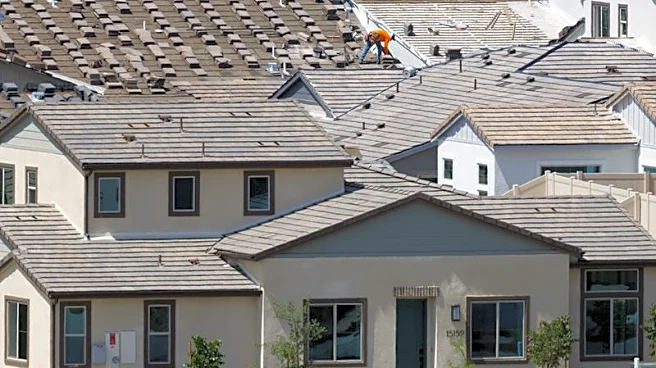
The ongoing conflict with Iran is significantly impacting the U.S. housing market, particularly affecting homebuilders. According to the National Association of Home Builders, homebuilder sentiment has
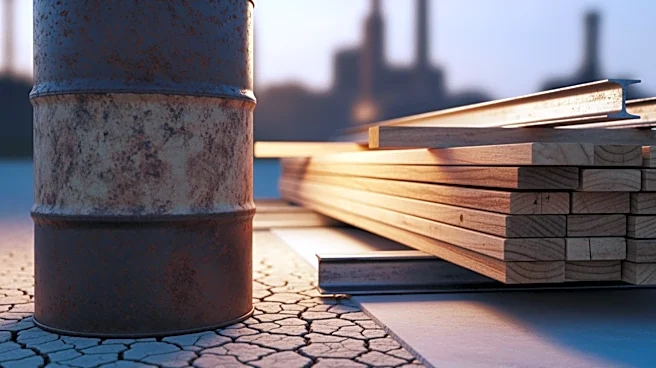
dropped sharply due to increased costs for materials and transportation, driven by a spike in oil prices. Robert Dietz, the chief economist at NAHB, noted that 62% of builders reported increased building material costs due to higher fuel prices. This has led to price hikes in essential building materials such as foam insulation, roofing, windows, and doors. The increased costs are compounded by challenges in pricing homes amid economic uncertainties. Builders in regions like Florida and Texas have reported substantial price increases, with some materials seeing hikes of up to 47%.
Why It's Important?
The rise in material and transportation costs due to the Iran conflict is creating significant challenges for the U.S. housing market. Homebuilders, already facing subdued buyer traffic, now have to contend with increased raw material costs, which could lead to higher home prices and reduced affordability for potential buyers. This situation may slow down the housing market recovery and impact economic growth, as the construction industry is a significant contributor to the U.S. economy. The increased costs could also affect the supply chain, leading to delays in construction projects and further exacerbating the housing shortage in many areas.
What's Next?
As the conflict with Iran continues, homebuilders and suppliers may need to explore alternative strategies to mitigate rising costs, such as sourcing materials from different regions or investing in more efficient technologies. Policymakers might also consider interventions to stabilize the housing market and support builders facing economic pressures. The situation requires close monitoring as it could have long-term implications for the housing market and broader economic stability.