






What's Happening?
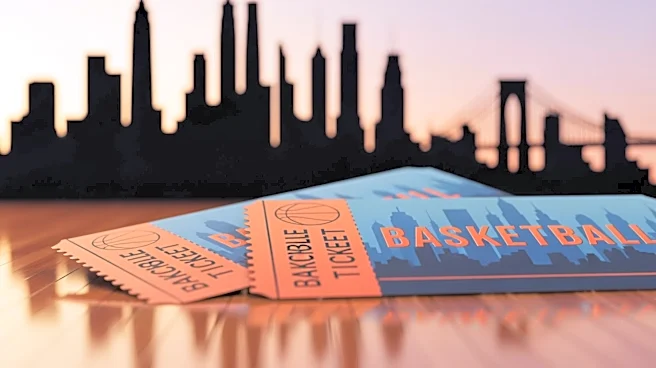
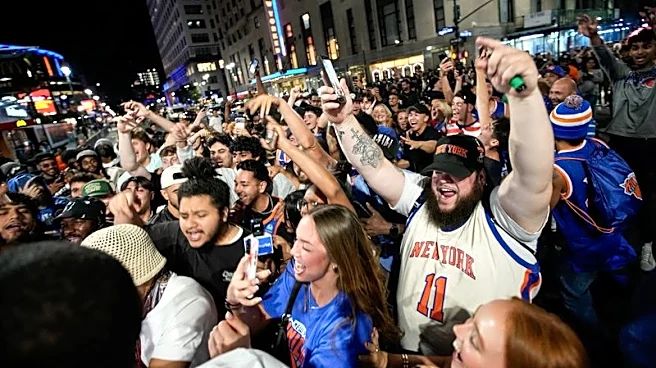
The San Antonio Spurs implemented a ticket restriction for NBA Finals Game 5, aiming to limit ticket sales to residents within a 150-mile radius of the Frost Bank Center in San Antonio. This move was intended to prevent New York Knicks fans from attending
the game, as nearly half of the tickets had been purchased by fans from the New York/New Jersey area. The restriction was enforced through Ticketmaster, which stated that orders from outside the specified area would be canceled and refunded. However, after public backlash and intervention from Madison Square Garden officials, the Spurs confirmed that they would not revoke tickets already purchased by Knicks fans. The restriction was initially justified as a measure to prioritize local fans, but it faced criticism for being exclusionary and potentially violating consumer protection laws.
Why It's Important?
This incident highlights the tension between sports teams' efforts to maintain home-court advantage and the rights of fans to support their teams regardless of location. The Spurs' attempt to restrict ticket sales underscores the competitive nature of the NBA Finals and the lengths teams will go to secure a supportive home crowd. The backlash from fans and officials, including New York Governor Kathy Hochul, emphasizes the importance of fair access to sporting events and the potential legal implications of such restrictions. The situation also reflects broader issues of consumer rights and the responsibilities of ticket vendors like Ticketmaster in ensuring equitable access to events.
What's Next?
Following the controversy, it is likely that the NBA and ticket vendors will review policies regarding geographic restrictions on ticket sales to prevent similar issues in the future. The Spurs' decision to allow all ticket holders to attend Game 5 may set a precedent for how teams handle ticket sales during high-stakes games. Additionally, the outcome of Game 5 could influence future strategies for managing fan attendance and maintaining home-court advantage. Stakeholders, including sports teams, ticket vendors, and consumer rights advocates, may engage in discussions to balance team interests with fan access.