







What's Happening?
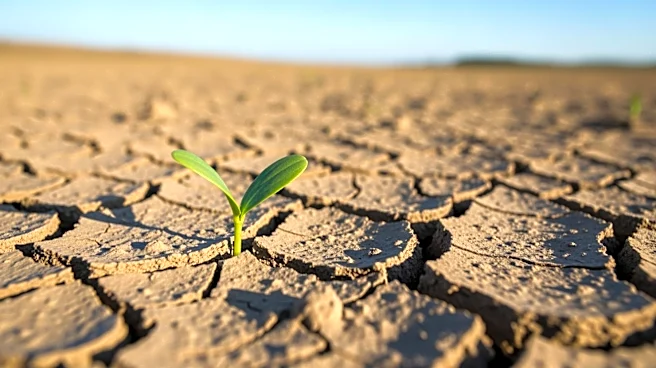
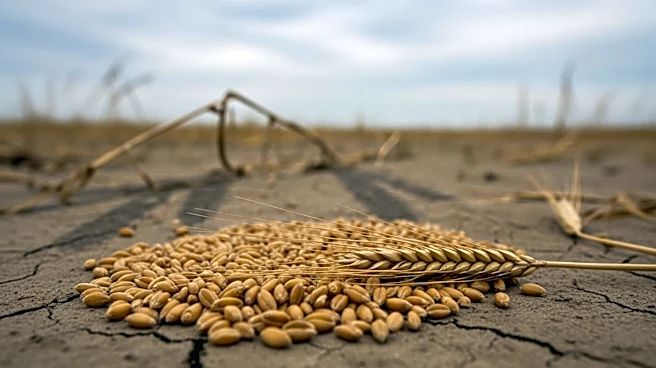
Plant cell culture technology, traditionally used in pharmaceuticals, is gaining traction in the food industry as a solution to supply chain disruptions caused by geopolitical instability and climate change. Companies like Dupin and Kokomodo are developing
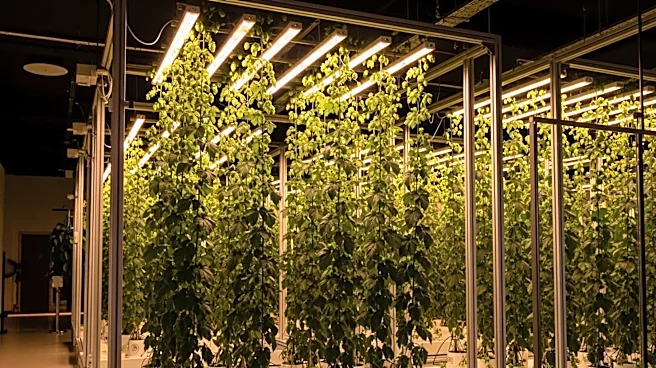
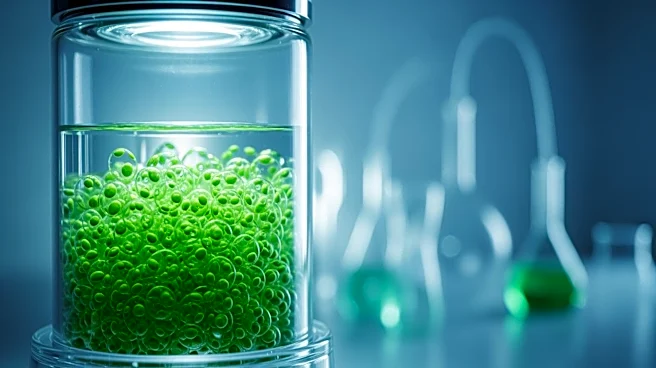
scalable, food-grade plant-based ingredients using this technology. The process involves growing plant cells in bioreactors, offering a controlled environment free from pesticides and heavy metals. This method is seen as a way to ensure a consistent supply of high-value botanicals, such as cocoa and saffron, which are vulnerable to environmental and political factors. Despite the potential, the technology faces challenges, including high capital and operating costs, and a complex regulatory landscape.
Why It's Important?
The adoption of plant cell culture technology in the food industry could revolutionize the way high-value ingredients are produced, offering a more sustainable and reliable alternative to traditional agriculture. This is particularly significant for ingredients like cocoa and saffron, which are subject to supply chain vulnerabilities. By providing a consistent and controlled production method, this technology could stabilize prices and availability, benefiting both producers and consumers. Additionally, it aligns with growing consumer demand for sustainable and ethically sourced products. However, the high costs and regulatory hurdles could slow down widespread adoption, impacting the pace at which these benefits are realized.
What's Next?
As companies continue to develop and refine plant cell culture technology, the focus will be on reducing costs and navigating regulatory challenges to achieve commercial viability. Collaborations with industry stakeholders and advancements in bioreactor design are expected to play a crucial role in scaling up production. Regulatory harmonization and streamlined approval processes will be critical to unlocking the full potential of this technology. The industry may also see increased investment as the technology proves its commercial viability, potentially leading to broader adoption across various sectors, including food, supplements, and personal care.
Beyond the Headlines
The shift towards plant cell culture technology could have broader implications for the agricultural industry, potentially reducing the environmental impact of traditional farming. By minimizing the need for land, water, and energy, this technology could contribute to more sustainable food production systems. Additionally, it may pave the way for the development of new botanical ingredients that are difficult or impossible to produce through conventional methods, expanding the range of products available to consumers. However, the transition will require significant investment and innovation to overcome current limitations and achieve widespread acceptance.