






What's Happening?
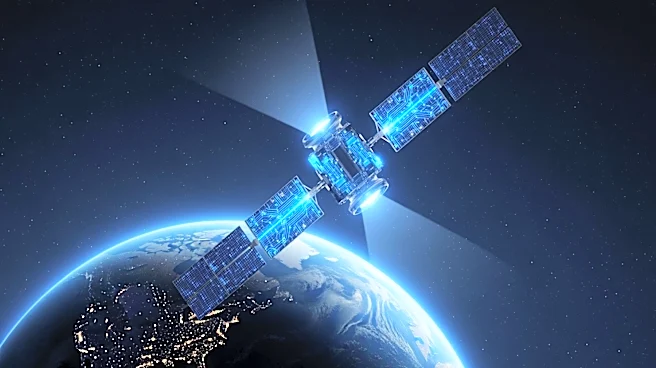
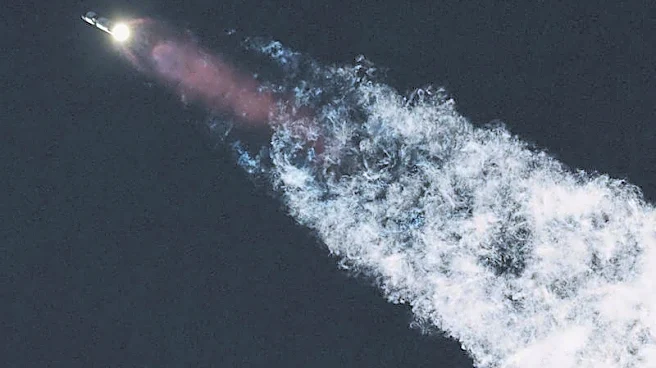
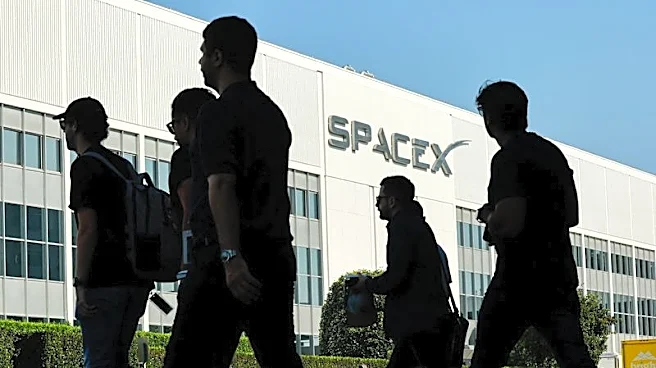
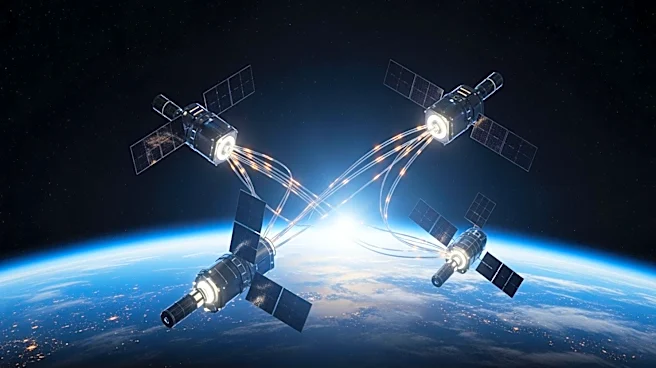
SpaceX is preparing to launch orbital data center spacecraft, which could interfere with astronomical observations. The company plans to start launching these satellites, known as AI1, in 2027. These satellites are designed to provide significant computing
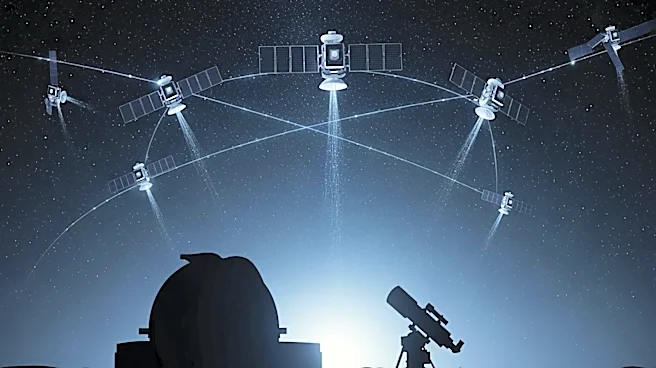
power in space, with solar arrays generating up to 150 kilowatts of peak power. However, astronomers are concerned that the brightness of these satellites will disrupt optical and radio astronomy. The satellites are expected to create 'bright lanes' in the sky, similar to the glare of a half-moon, which could hinder scientific programs. Despite efforts to mitigate the brightness of existing Starlink satellites, challenges remain, and the introduction of AI1 satellites could exacerbate these issues.
Why It's Important?
The launch of orbital data centers by SpaceX could have significant implications for the field of astronomy. The brightness of these satellites may interfere with the ability of astronomers to conduct observations, particularly in optical and time-domain astronomy. This could impact research on dynamic cosmic events such as supernovas and gamma-ray bursts. The potential for a million satellites in orbit raises concerns about the long-term viability of ground-based astronomical research. The situation highlights the need for collaboration between satellite operators and the scientific community to find solutions that balance technological advancement with scientific inquiry.
What's Next?
As SpaceX and other companies move forward with plans for orbital data centers, the scientific community may need to advocate for regulatory measures to protect astronomical observations. This could involve setting limits on satellite brightness or developing new technologies to mitigate their impact. Additionally, astronomers may need to explore alternative methods for conducting research, such as using space-based telescopes that are not affected by satellite interference. The ongoing dialogue between satellite operators and scientists will be crucial in addressing these challenges.