
What's Happening?
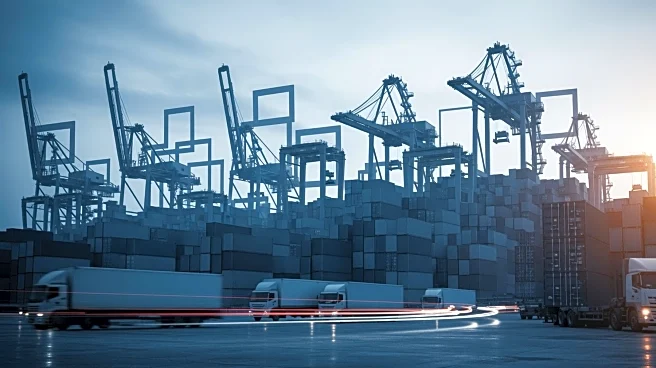
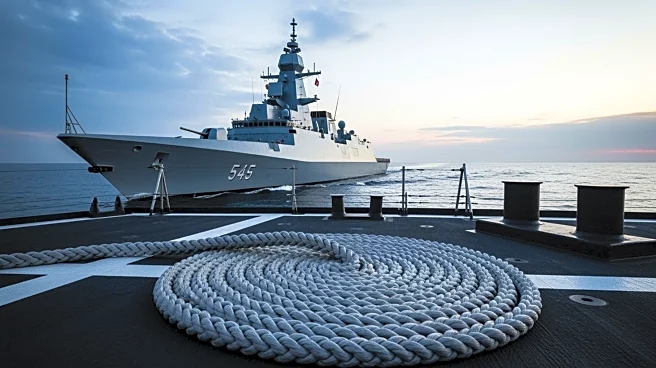
The ongoing conflict in Iran has significantly disrupted global supply chains beyond the oil industry, affecting critical commodities such as helium, pharmaceutical drugs, and fertilizer. The Strait of Hormuz, a vital chokepoint for global trade, has seen
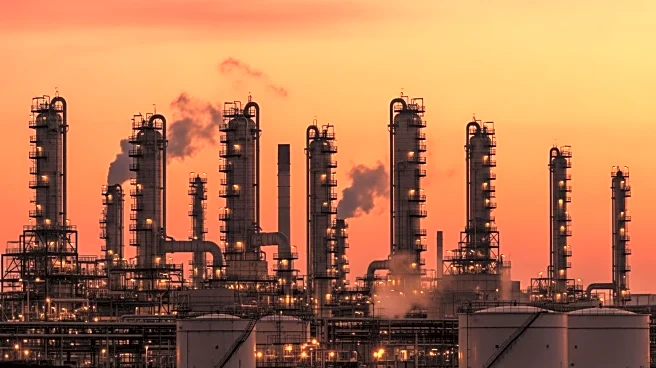
shipping disruptions that have impacted the flow of these materials. Helium, essential for high-tech AI hardware and healthcare, has been particularly affected due to damage to a Qatari liquefied natural gas plant, which is a major global supplier. The pharmaceutical industry is also facing challenges, with transit disruptions threatening the supply of medicines with short shelf lives, such as vaccines and insulin. Additionally, the agriculture sector is experiencing a surge in fertilizer prices, as one-third of global seaborne fertilizer passes through the Strait of Hormuz. These disruptions are expected to lead to increased costs for consumers, particularly in food and healthcare.
Why It's Important?
The disruption of these supply chains has significant implications for various sectors of the U.S. economy. The helium shortage is particularly concerning for the tech industry, which relies on this gas for semiconductor production and medical imaging. The pharmaceutical disruptions could lead to shortages of critical medicines, potentially impacting public health. The rise in fertilizer prices is likely to increase costs for farmers, which could translate into higher food prices for consumers, exacerbating existing concerns about affordability. These supply chain issues highlight the interconnectedness of global trade and the potential for geopolitical conflicts to have widespread economic repercussions.
What's Next?
The duration of the conflict in Iran will play a crucial role in determining the long-term impact on these supply chains. If the disruptions continue, industries may need to seek alternative sources or adjust their supply strategies to mitigate the effects. Governments and businesses may also need to consider strategic reserves or diversification of supply sources to reduce vulnerability to such geopolitical events. The situation calls for close monitoring by stakeholders across affected industries to adapt to the evolving challenges.