







What's Happening?
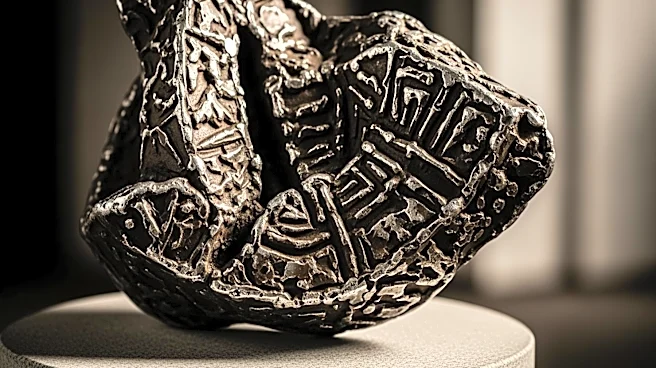
Renowned sculptor Melvin Edwards, known for his abstract steel works that reflect the history and resistance of African Americans, passed away on March 30 at his home in Baltimore at the age of 88. Edwards gained prominence in 1963 with his 'Lynch Fragments'
series, which consists of over 300 small, wall-mounted sculptures made from found and recycled steel. These works are inspired by racial violence during the civil rights movement, the Vietnam War, and his personal connections to Africa and the African diaspora. Edwards was the first African American sculptor to have a solo exhibition at the Whitney Museum of American Art in 1970. His career was marked by a commitment to public art, with sculptures displayed in universities, public housing projects, and museums worldwide.
Why It's Important?
Melvin Edwards' work is significant for its powerful commentary on racial violence and the African American experience. His 'Lynch Fragments' series serves as a historical and cultural record, using art to address themes of oppression, resistance, and survival. Edwards' contributions to public art have made his work accessible to a broad audience, influencing both the art world and public discourse on race and history. His pioneering role as the first African American sculptor to exhibit solo at the Whitney Museum highlights his impact on diversifying the art world and paving the way for future artists of color.
What's Next?
While Melvin Edwards' passing marks the end of an era, his legacy will continue through his extensive body of work. Art institutions and galleries may organize retrospectives and exhibitions to honor his contributions and introduce his work to new audiences. His influence is likely to inspire future generations of artists who seek to explore themes of race, identity, and resistance through their art. Additionally, discussions around the representation of African American artists in major art institutions may gain renewed attention, potentially leading to increased efforts to diversify art collections and exhibitions.
Beyond the Headlines
Edwards' work not only addresses historical and cultural themes but also challenges viewers to consider the layered meanings of materials like barbed wire, which symbolize both violence and survival. His ability to connect with a global community of artists and his positive outlook on life have left a lasting impact on those who knew him. Edwards' art encourages a deeper understanding of the complexities of the African American experience and the ongoing struggle for racial equality.