



What's Happening?
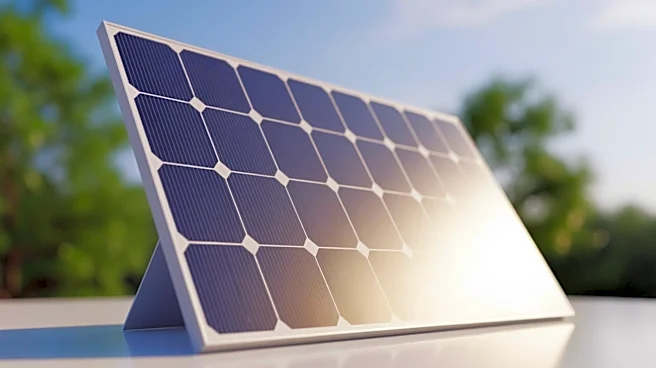
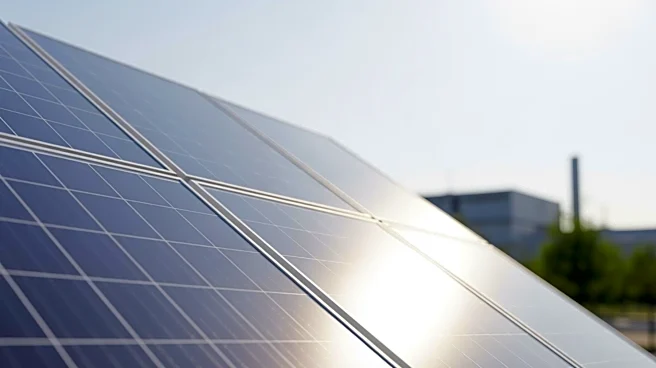
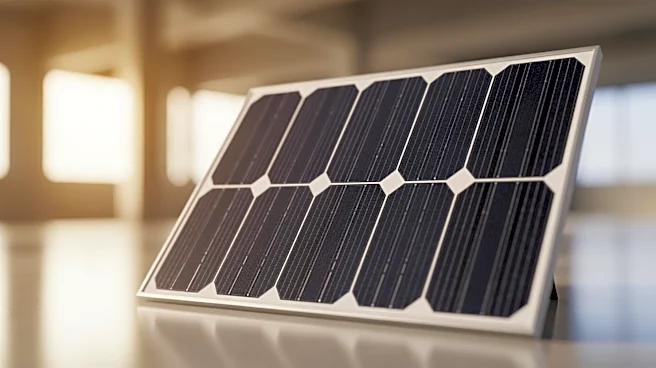
Suniva, a solar cell manufacturer, has announced plans to establish a new 4.5GW solar cell manufacturing facility in Laurens, South Carolina. This expansion, expected to open in the second quarter of 2027, will increase Suniva's total domestic manufacturing capacity
to over 5.5GW annually, making it the largest merchant solar cell manufacturer in the United States. The facility represents a $350 million investment and is expected to create over 550 jobs. Suniva, founded in 2007 from research at Georgia Tech, is committed to American-first solar manufacturing, ensuring that its operations, workforce, and technology remain rooted in the U.S. This move is seen as a significant contribution to the nation's energy security, reducing reliance on foreign supply chains and mitigating geopolitical risks.
Why It's Important?
The establishment of Suniva's new facility is crucial for enhancing U.S. energy independence and security. By increasing domestic production of solar cells, the U.S. can reduce its reliance on foreign imports, which are often subject to supply chain disruptions and geopolitical tensions. This expansion not only supports the growth of renewable energy but also aligns with national priorities to secure energy sources domestically. The creation of over 550 jobs in South Carolina will boost the local economy and contribute to the growth of the renewable energy sector, which is one of the fastest-growing industries in the U.S. This development underscores the importance of investing in clean energy technologies to meet future energy demands sustainably.
What's Next?
As Suniva prepares to open its new facility, the focus will likely be on completing construction and beginning operations by the projected 2027 timeline. The company may also engage with local communities and stakeholders to ensure a smooth integration into the South Carolina economy. Additionally, there could be increased interest from policymakers and industry leaders in supporting similar initiatives that bolster domestic manufacturing capabilities in the renewable energy sector. The success of this facility could serve as a model for future investments in clean energy infrastructure across the U.S.