







What's Happening?
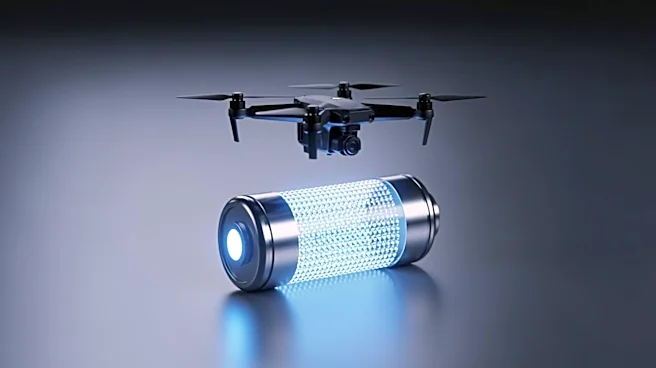
Amprius Technologies and Matternet have formed a strategic partnership to integrate high-energy density silicon anode lithium-ion batteries into autonomous aerial delivery platforms. This collaboration has already seen the deployment of Amprius cells
in Matternet's M2 aircraft, which operates within urban drone delivery networks. The partnership aims to develop optimized battery solutions for Matternet's next-generation aircraft platform. The focus is on improving battery performance, which is crucial for electric autonomous aircraft as it affects network design, asset utilization, and delivery costs. Amprius' silicon anode cells offer up to twice the energy density of conventional graphite-based batteries, addressing weight constraints that limit range and payload capacity. The engineering effort is directed at optimizing cell selection, form factor, thermal performance, charge rate, and cycle life to enhance fleet availability, expand service areas, and reduce delivery costs.
Why It's Important?
The collaboration between Amprius Technologies and Matternet is significant as it addresses key challenges in the drone delivery industry, particularly battery performance. By enhancing energy density and reducing weight constraints, the partnership could lead to more efficient and cost-effective drone delivery services. This development is crucial for expanding urban drone networks and improving delivery logistics. The ability to extend flight range and increase payload capacity can significantly enhance the commercial viability of drone delivery, potentially transforming logistics and supply chain operations. Companies involved in drone technology and logistics stand to benefit from these advancements, as they could lead to increased market share and operational efficiency.
What's Next?
Following the initial deployment in the M2 fleet, Amprius and Matternet are focusing on deeper system integration for the next-generation platform. Amprius is targeting volume production readiness for these specialized cells to align with Matternet's projected fleet expansion plans starting in early 2027. This suggests a continued commitment to innovation and scaling operations, which could lead to broader adoption of drone delivery services. Stakeholders in the logistics and technology sectors will likely monitor these developments closely, as successful implementation could set new standards in the industry.