



What's Happening?
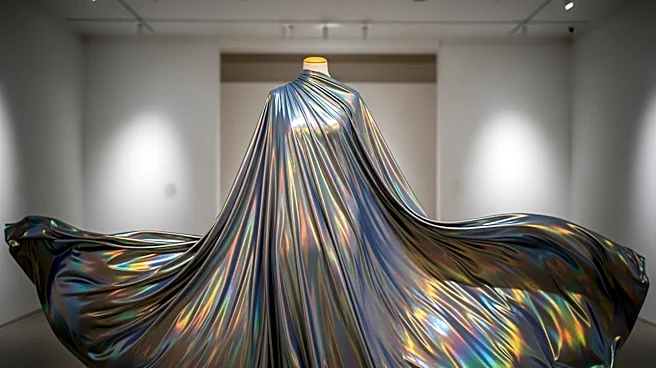
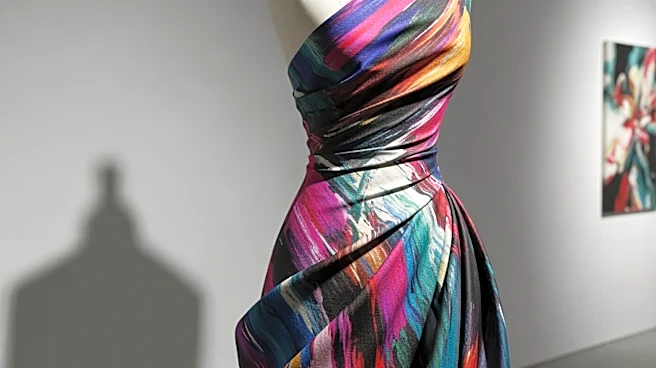
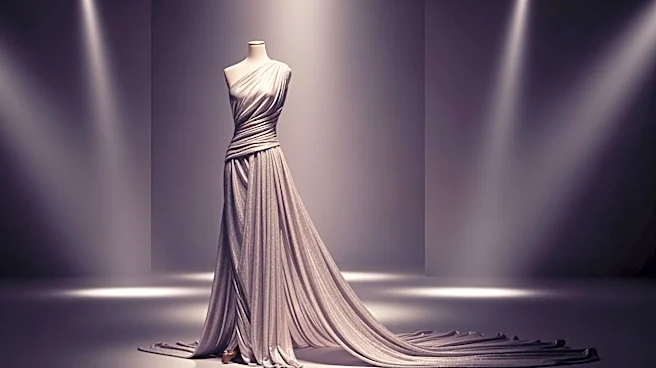
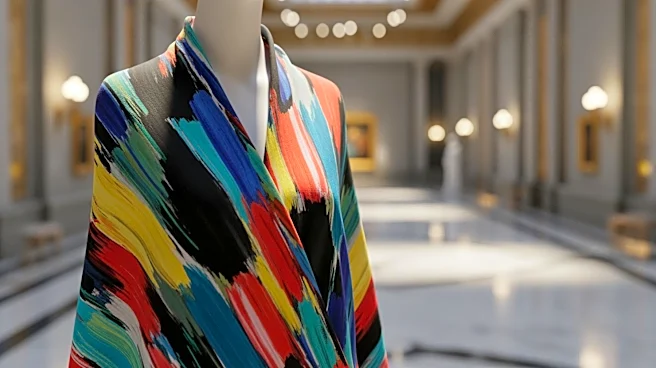
The Met Gala 2026, an annual benefit for the Metropolitan Museum of Art's Costume Institute, took place with a theme of 'Fashion is Art'. Co-hosted by Anna Wintour, Beyoncé, Nicole Kidman, and Venus Williams, the event showcased a variety of artistic
and fashion-forward designs. The gala featured exhibits that juxtaposed historical art pieces with contemporary fashion, such as George Luks’s 1905 painting 'The Old Duchess' alongside Batsheva’s winter 2024-2025 show. The event also included a Diane Arbus portrait paired with a Vetements hoodie, highlighting the humorous side of fashion. Despite the glamour, the gala was met with protests outside, reflecting ongoing debates about artistic expression and sponsorship controversies.
Why It's Important?
The Met Gala is a significant cultural event that influences fashion trends and public discourse on art and fashion. This year's theme, 'Fashion is Art', underscores the intersection of these two fields, promoting the idea that fashion can be a form of artistic expression. The presence of high-profile celebrities and the involvement of influential figures like Anna Wintour amplify the event's impact on the fashion industry. However, the protests highlight the contentious nature of sponsorship and the role of fashion in societal issues, prompting discussions about the ethical dimensions of art and commerce.
What's Next?
Following the Met Gala, discussions around the role of fashion as art are likely to continue, potentially influencing future exhibitions and fashion shows. The protests may lead to increased scrutiny of sponsorship practices and the ethical considerations of fashion events. Stakeholders in the fashion industry, including designers and cultural institutions, may need to address these concerns to maintain public support and engagement. Additionally, the success of the gala could inspire similar events that blend art and fashion, further exploring this creative intersection.
Beyond the Headlines
The Met Gala's theme of 'Fashion is Art' invites deeper reflection on the cultural significance of fashion beyond its commercial aspects. It challenges traditional perceptions of art and encourages a broader understanding of creativity. The juxtaposition of historical art with modern fashion pieces highlights the evolving nature of artistic expression and the potential for fashion to convey complex narratives. This approach may influence future artistic collaborations and inspire new forms of creative storytelling within the fashion industry.