


What's Happening?
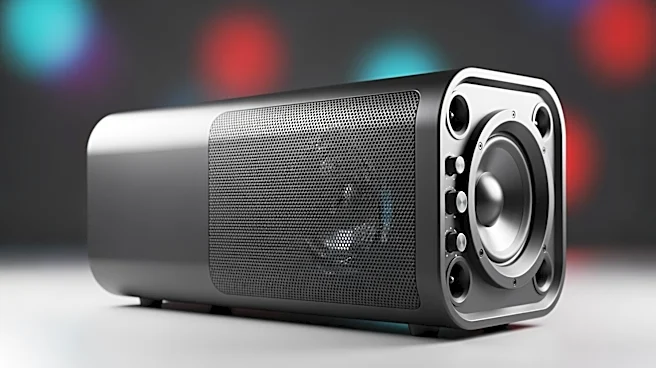
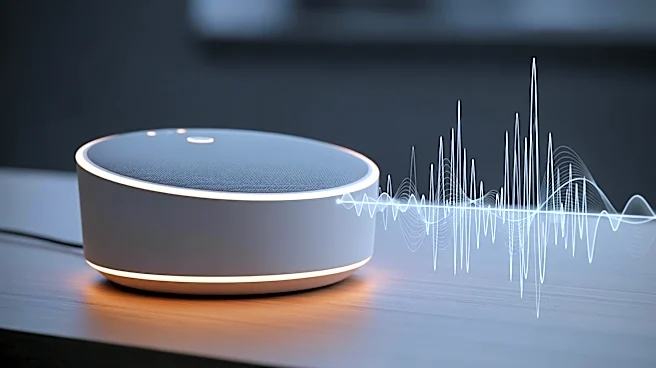
Gemini, a new smart home speaker powered by Google's voice assistant, is set to revive the market for third-party smart speakers. A recent product listing on the CSA's website revealed a new 'Onn Smart Speaker' by Walmart, featuring Gemini voice controls
and audio streaming capabilities. This development marks a potential comeback for third-party Assistant speakers, which had largely disappeared from the market. The Gemini-powered device supports Wi-Fi and Bluetooth connectivity, offering seamless media streaming and reliable voice interaction. Although Walmart has not officially launched the device, it is expected to coincide with the release of new Google TV hardware.
Why It's Important?
The revival of third-party smart speakers powered by Google's voice assistant could significantly impact the smart home market. By expanding the range of available devices, consumers may benefit from increased competition and innovation. This development also highlights the ongoing evolution of smart home technology, as companies like Google continue to enhance their offerings. For retailers like Walmart, entering the smart speaker market could provide new revenue streams and strengthen their position in the tech industry. Additionally, the integration of advanced voice controls and connectivity features may enhance user experiences and drive further adoption of smart home devices.
What's Next?
As the Gemini-powered smart speaker prepares for launch, industry observers will be watching for official announcements from Walmart and Google. The success of this device could encourage other manufacturers to re-enter the market, potentially leading to a wider variety of smart speakers available to consumers. Additionally, the rollout of new Google TV hardware may further integrate smart home technology into everyday life. Stakeholders, including tech companies and retailers, will likely monitor consumer response to these developments and adjust their strategies accordingly. The continued expansion of smart home technology could also prompt insurers to reassess coverage frameworks as these devices reshape potential risks.