




What's Happening?
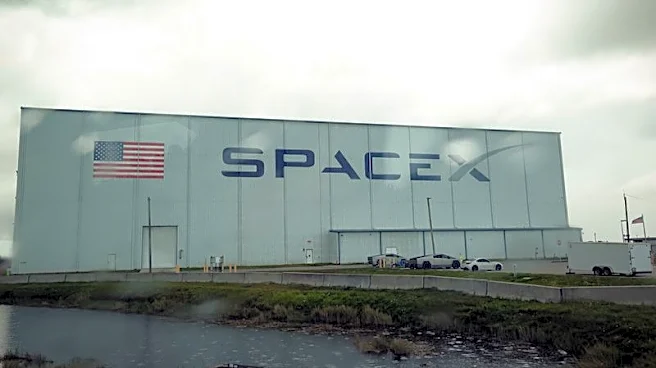
Intel has announced its participation in a new semiconductor factory project in Texas, led by Elon Musk's companies, SpaceX and Tesla. The initiative, known as Terafab, aims to produce 1 terawatt per year of computing power to support advancements in artificial
intelligence and robotics. Intel's role will involve designing, fabricating, and packaging high-performance chips at scale. This collaboration marks a significant step for Intel, which has been seeking large anchor customers to bolster its foundry business. The project is ambitious, as building a semiconductor fabrication plant is a complex and costly endeavor, typically requiring years and over $20 billion to complete. Despite the challenges, Intel's involvement is seen as a strategic move to regain its position in the semiconductor industry, where it has faced competition from companies like Nvidia and AMD.
Why It's Important?
The collaboration between Intel, SpaceX, and Tesla is significant for the U.S. semiconductor industry, which has been striving to increase domestic production amid global supply chain disruptions. By joining the Terafab project, Intel is positioning itself to play a crucial role in the future of AI and robotics, sectors that are expected to drive significant technological advancements. This move could help Intel regain its competitive edge against rivals who have adopted the fabless model, outsourcing chip manufacturing. Additionally, the project aligns with broader national interests in strengthening U.S. technological infrastructure and reducing reliance on foreign semiconductor manufacturing.
What's Next?
As the Terafab project progresses, stakeholders will be closely monitoring its development and the potential impact on the semiconductor market. Intel's involvement could attract further investment and partnerships, potentially accelerating the project's timeline. The success of this initiative could influence future policy decisions regarding domestic semiconductor production and innovation. Additionally, the project's outcomes may affect the competitive dynamics within the tech industry, particularly in AI and robotics, as companies seek to leverage the advanced computing capabilities that Terafab aims to provide.