


What's Happening?
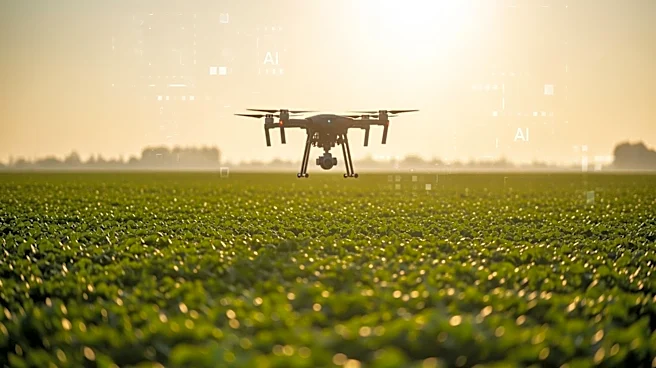
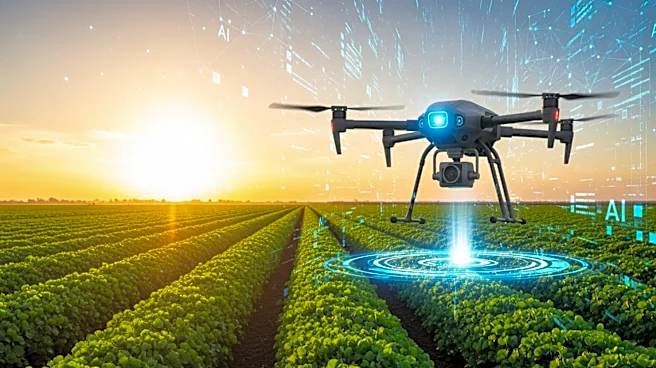
A recent agricultural competition highlighted the role of artificial intelligence (AI) in improving farming decisions. Nipuna Chamara, an assistant professor at the University of Nebraska–Lincoln, utilized AI to win a category in the 2025 Testing Ag Performance
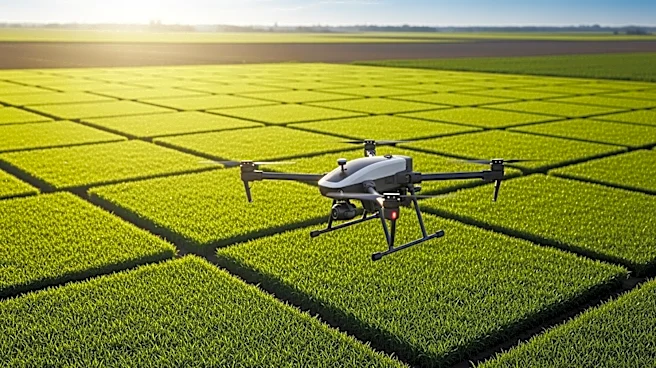
Solutions (TAPS) competition. This contest involves managing corn and soybean crops, with participants making decisions on irrigation, fertilization, pest control, and marketing. Chamara's team, which initially placed seventh in yield in 2024, improved significantly in 2025 by leveraging AI for real-time data insights, including market trends and weather updates. The AI system suggested strategic decisions, such as locking in corn prices early due to market fluctuations, which enhanced profitability and led to a first-place finish in the highest corn yield category.
Why It's Important?
The integration of AI in agriculture represents a significant advancement in farming efficiency and productivity. By providing real-time data and predictive insights, AI can help farmers make informed decisions that optimize yield and profitability. This technology is particularly beneficial in addressing challenges such as market volatility and climate variability. The success of Chamara's team demonstrates the potential for AI to transform traditional farming practices, offering a competitive edge to those who adopt it. However, the reliance on AI also underscores the need for accurate data and verification processes to ensure recommendations are reliable.
What's Next?
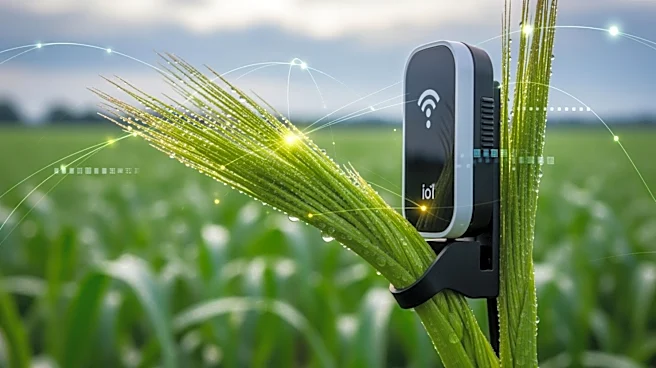
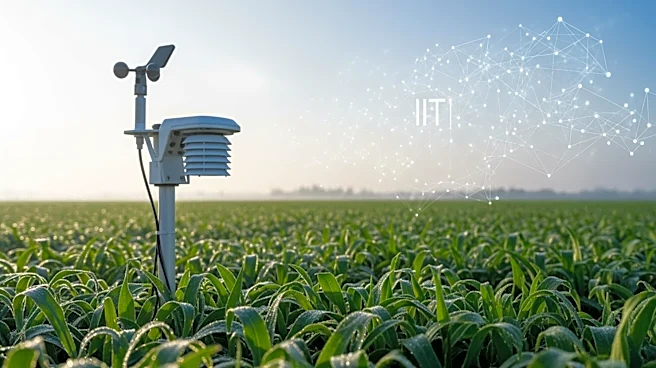
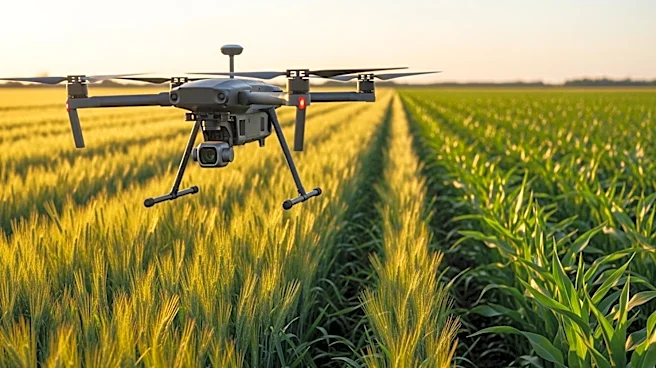
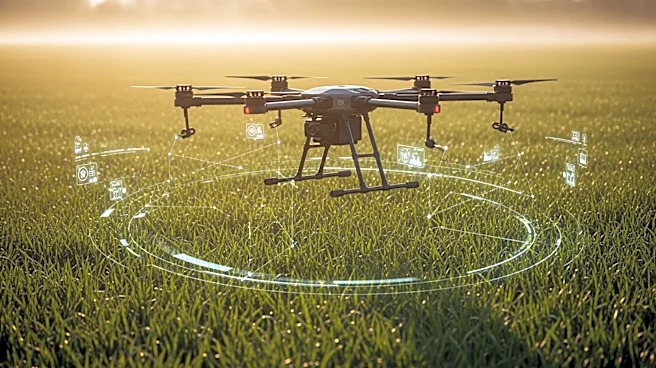
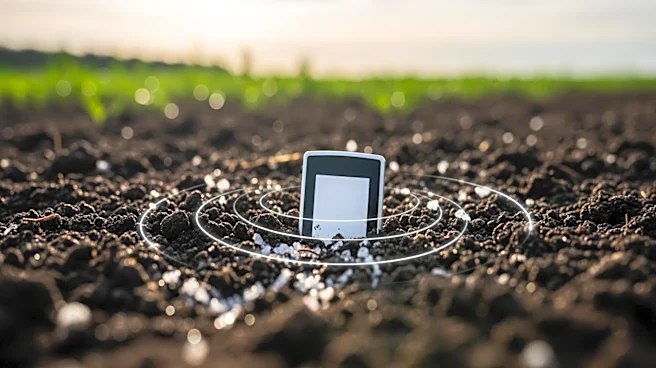
Looking forward, there is potential for further integration of AI with farm sensors to provide even more precise and timely data. This could lead to faster decision-making and improved sustainability in agriculture. As AI technology continues to evolve, it is likely that more farmers will adopt these tools, potentially reshaping the agricultural landscape. Stakeholders, including agricultural economists and policymakers, may need to consider the implications of widespread AI adoption, such as data privacy and the digital divide among farmers.