

What's Happening?
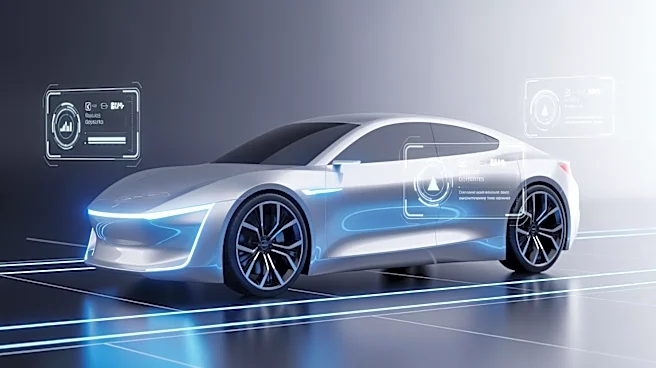
A Tesla enthusiast recently transitioned from a 2019 Tesla Model 3 to a new 2026 Tesla Model Y, equipped with Hardware 4 (HW4) and Full Self Driving (FSD) version 14. The owner, who has extensive experience with Tesla's FSD technology, highlights the
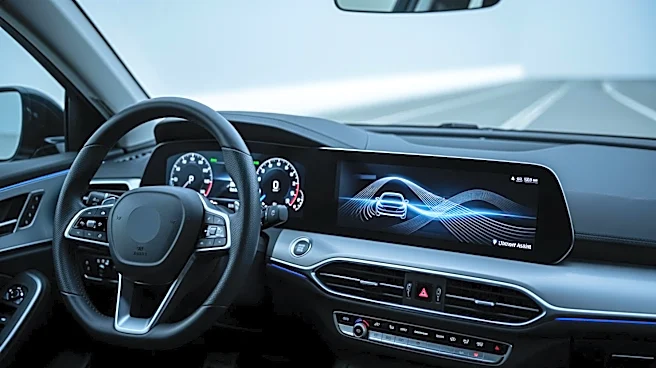
advancements in the new model, including improved self-driving capabilities and a more streamlined user interface. The Model Y offers features such as automatic driving at the start and end of trips, and a new AI assistant named Grok for navigation commands. Despite some challenges with the new interface, the owner appreciates the vehicle's enhanced driving modes and the ability to travel long distances using Tesla's Supercharger network.
Why It's Important?
The introduction of HW4 and FSD V14 in Tesla's Model Y represents a significant step forward in autonomous driving technology. This development is crucial for the automotive industry as it pushes the boundaries of what is possible with self-driving cars. The advancements in Tesla's FSD technology could influence other automakers to accelerate their own autonomous vehicle programs. For consumers, these improvements promise a more convenient and safer driving experience, potentially reducing the risk of accidents caused by human error. The integration of AI assistants like Grok also highlights the growing role of artificial intelligence in everyday technology, offering users more interactive and intuitive vehicle control.
What's Next?
As Tesla continues to refine its FSD technology, the company may face regulatory challenges and public scrutiny regarding the safety and reliability of autonomous vehicles. Future updates to the FSD system could address current limitations, such as the need for driver supervision and the inability to fully automate certain driving tasks. Additionally, Tesla's approach to monetizing features like FSD through subscription models may influence how other companies structure their pricing strategies for advanced vehicle technologies. The ongoing development of Tesla's autonomous capabilities will likely impact the broader conversation around the future of transportation and the role of self-driving cars in society.
Beyond the Headlines
The evolution of Tesla's FSD technology raises important ethical and legal questions about the responsibility of drivers versus the technology itself in the event of accidents. As autonomous vehicles become more prevalent, there will be a need for clear regulations and guidelines to address liability issues. Furthermore, the reliance on AI for navigation and driving decisions could lead to discussions about data privacy and the security of personal information. The shift towards more autonomous vehicles also has the potential to transform urban planning and infrastructure, as cities may need to adapt to accommodate new transportation technologies.