





What's Happening?
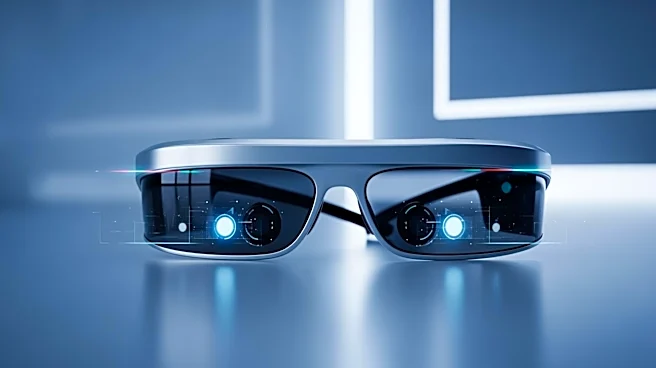
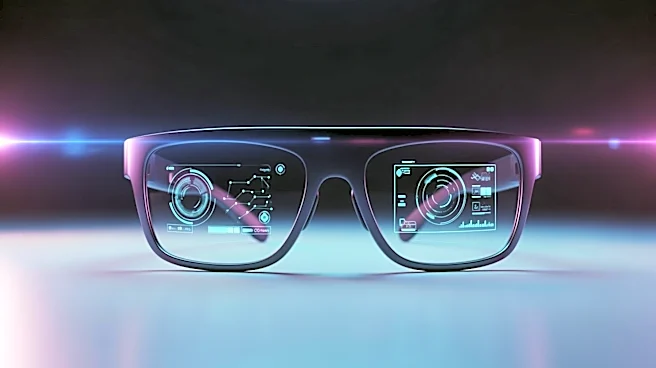
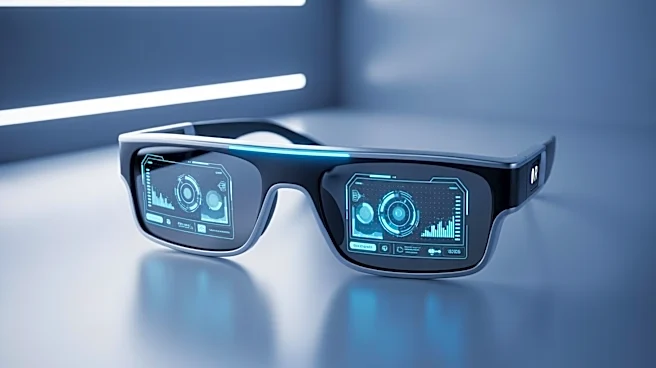
In 2026, several companies, including Google, Snap, and Xreal, are advancing augmented reality (AR) glasses that could potentially replace smartphones. These devices are designed to offer lighter, more user-friendly AR experiences. Google's I/O XR demo
showcased prototypes prioritizing apps, mapping, and communication, while Snap focuses on lightweight frames for social sharing. Xreal and ASUS ROG are targeting gamers with high refresh rates and affordable prices. These developments suggest a shift towards AR glasses as a viable alternative to traditional smartphones, offering new ways to interact with digital content.
Why It's Important?
The development of AR glasses signifies a potential paradigm shift in how consumers interact with technology. If successful, these devices could reduce reliance on smartphones by offering hands-free access to apps and notifications. This could lead to new app formats and social interactions, transforming daily life and communication. For tech companies, this represents an opportunity to capture a new market segment and drive innovation in wearable technology. The success of AR glasses will depend on their ability to offer practical benefits, such as comfort, battery life, and app integration.
What's Next?
As AR glasses continue to develop, companies will likely focus on improving battery life, app depth, and user comfort to make them a practical alternative to smartphones. The market will watch closely to see which models gain consumer traction and how they influence the broader tech landscape. If AR glasses become mainstream, they could lead to a decline in smartphone usage and prompt further innovation in wearable technology. Companies will need to address privacy and security concerns associated with AR devices to ensure consumer trust and adoption.