

What's Happening?
Volkswagen is reportedly in discussions to convert one of its German car factories into a production hub for components of Israel's Iron Dome missile defense system. The talks involve Israel's Rafael Advanced Defense Systems and focus on repurposing Volkswagen's
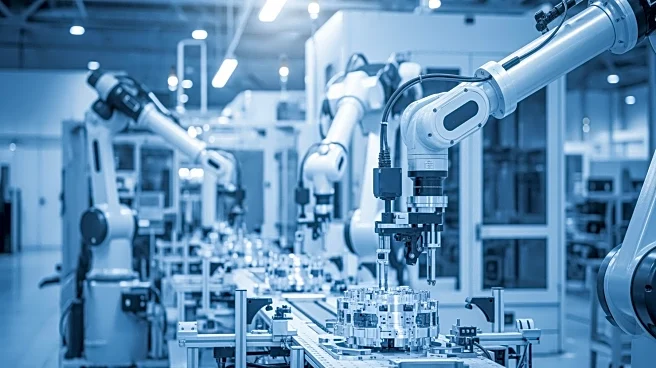
Osnabruck plant. This move highlights the pressure on Germany's automotive sector, which is facing stiff competition from Chinese electric vehicle manufacturers. Historically, Volkswagen had shifted from car production to arms manufacturing during World War II for Nazi Germany. The proposed plan would see the factory producing key Iron Dome components, such as launch platforms and power units, with production potentially starting within 12 to 18 months. This development is part of a broader trend of German industry aligning more closely with defense production, supported by the German government.
Why It's Important?
The potential shift by Volkswagen to defense production underscores a significant realignment within Germany's industrial sector, driven by geopolitical and economic pressures. This move could bolster Israel's defense capabilities at a time when it faces international scrutiny and isolation over its actions in Gaza. For Germany, deepening defense ties with Israel could strengthen its position as a key European ally, especially following recent multi-billion dollar arms deals. The decision also reflects broader trends in the global automotive industry, where traditional car manufacturers are diversifying in response to competition from electric vehicle makers. This diversification could have long-term implications for employment and economic stability in regions dependent on automotive manufacturing.
What's Next?
If Volkswagen proceeds with the conversion of its plant, it could mark a significant shift in its business strategy, potentially influencing other automotive companies to explore similar diversification into defense production. The move may also prompt reactions from political and civil society groups concerned about the ethical implications of such a transition, given Volkswagen's historical ties to arms manufacturing during the Nazi era. Additionally, the development could impact Germany's foreign relations, particularly with countries critical of Israel's military actions. The timeline for production and the scale of investment required will be key factors in determining the project's feasibility and impact.