








What's Happening?
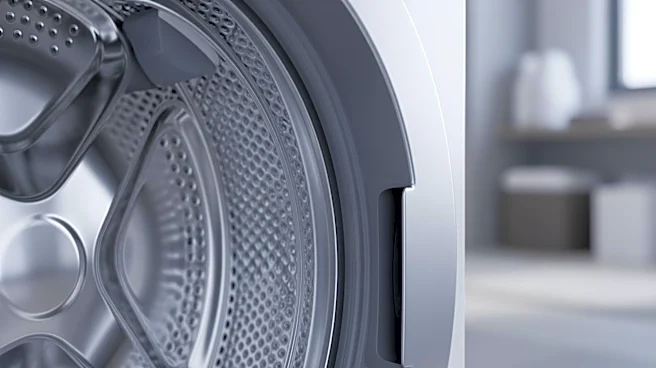
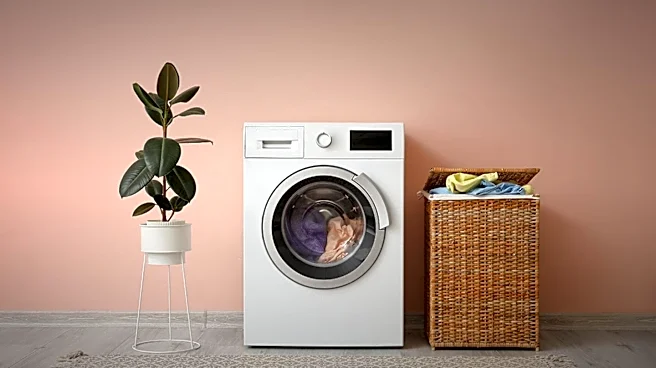
A viral video by a stay-at-home mom, Catrina, has sparked widespread discussion after she revealed a common misunderstanding about the 'heavy' setting on washing machines. Catrina admitted she had been using the setting incorrectly, thinking it referred
to the weight of the items rather than the level of soil. This revelation resonated with many others who shared similar misconceptions. The video highlighted the confusion surrounding various washing machine settings, prompting discussions about the importance of understanding these options for effective laundry care. Professional organizer Vanessa Ruiz explained that the 'heavy duty' cycle is intended for heavily soiled items, not heavy fabrics, and provided insights into other common settings like 'delicate' and 'quick wash'.
Why It's Important?
This incident underscores the importance of understanding household appliance settings to ensure efficient and effective use. Misunderstanding washing machine settings can lead to ineffective cleaning, potential damage to clothes, and increased energy consumption. The widespread reaction to Catrina's video indicates that many people may not fully understand how to use their appliances, which can result in unnecessary wear and tear on both the machine and clothing. By raising awareness, this discussion encourages consumers to read manuals and better understand their appliances, potentially leading to more sustainable and cost-effective household management.
Beyond the Headlines
The viral nature of this revelation highlights a broader issue of consumer education regarding household appliances. As technology advances, appliances become more complex, and users may struggle to keep up with new features and settings. This situation reflects a need for manufacturers to provide clearer instructions and for consumers to seek out information actively. Additionally, it raises questions about the design of user interfaces in household appliances and whether they adequately meet the needs of the average consumer. Improved education and design could lead to more efficient use of resources and longer-lasting appliances.