






What's Happening?
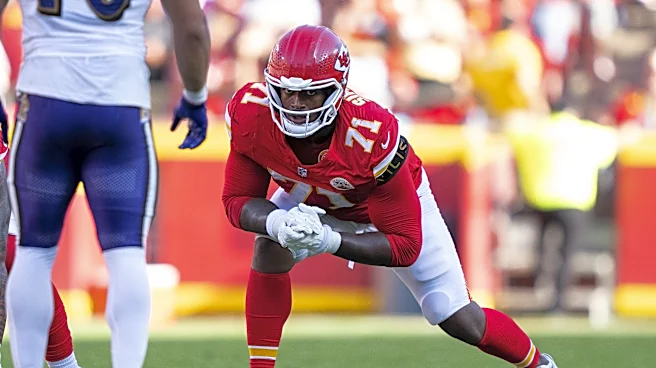
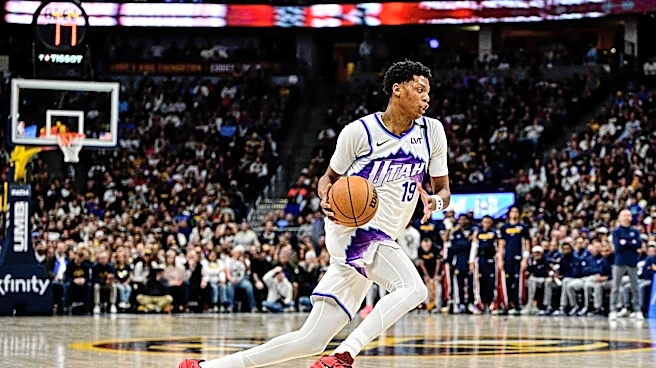
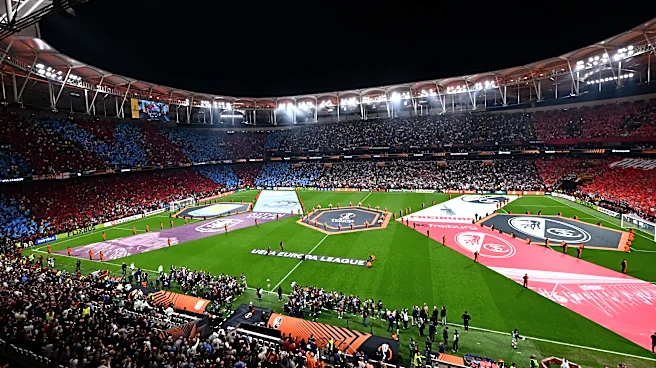
Stan Kroenke, an American billionaire and owner of multiple sports franchises, has seen his team Arsenal win the Premier League for the first time in 22 years. Kroenke, who owns the team through his Denver-based Kroenke Sports & Entertainment holding
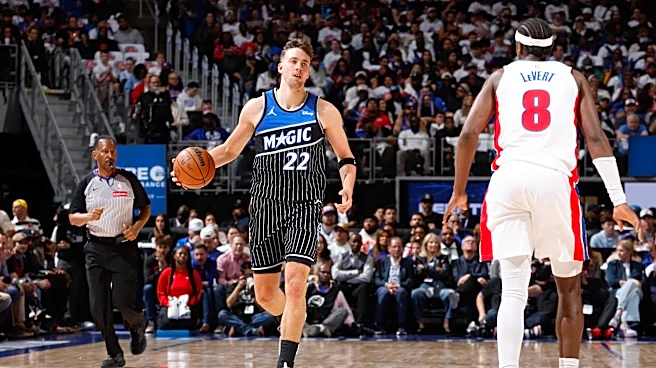
company, has faced significant backlash from Arsenal fans over the years. The discontent stems from perceptions that he treats the team as an investment vehicle rather than a sports club. Despite the criticism, Kroenke's sports investments have been successful, with his teams winning championships across various leagues, including the NBA, NHL, and Major League Soccer. His ownership of Arsenal began in 2007, and he became the majority owner in 2018 after buying out Russian oligarch Alisher Usmanov.
Why It's Important?
Kroenke's ownership style and the success of his sports franchises highlight the growing trend of sports teams being viewed as investment opportunities by wealthy individuals. This approach can lead to tensions between owners and fans, as seen with Arsenal supporters who have protested against Kroenke's management. The financial success of Kroenke's teams underscores the potential profitability of sports franchises, but it also raises questions about the balance between financial interests and the cultural and community roles that sports teams play. The situation with Arsenal reflects broader issues in sports management, where the priorities of owners may not always align with those of fans.
What's Next?
As Arsenal celebrates its Premier League victory, the focus will likely shift to how Kroenke manages the team moving forward. Fans will be watching closely to see if the success leads to increased investment in the team or if it will be used to further financial gains. The ongoing relationship between Kroenke and Arsenal supporters will be crucial in determining the team's future dynamics. Additionally, other sports team owners may look to Kroenke's model as a blueprint for balancing financial success with fan engagement.
Beyond the Headlines
Kroenke's ownership of Arsenal and other sports teams raises ethical questions about the role of billionaires in sports. The tension between profit-driven management and the cultural significance of sports teams is a growing concern. This situation also highlights the potential for sports franchises to become global brands, transcending their local roots. The impact of such ownership models on the traditional values of sports and community engagement is an ongoing debate in the industry.