






What's Happening?
The National Oceanic and Atmospheric Administration (NOAA) has officially declared the onset of El Niño conditions in the tropical Pacific, marking the beginning of a warming climate pattern that could intensify into one of the strongest episodes on record.
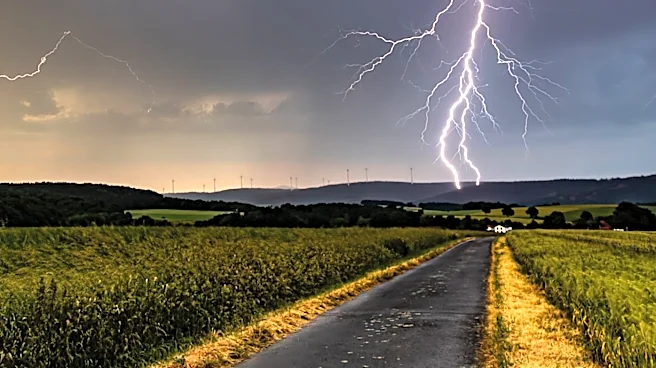
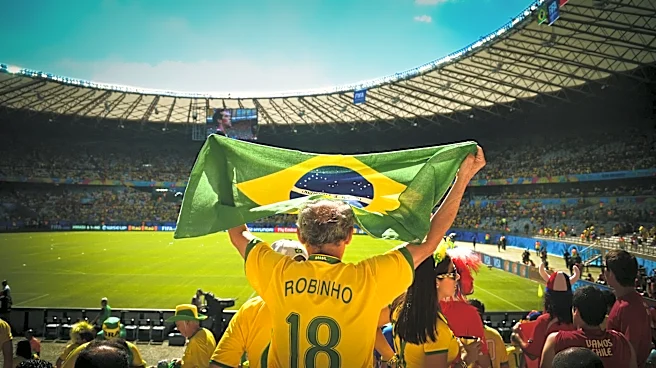
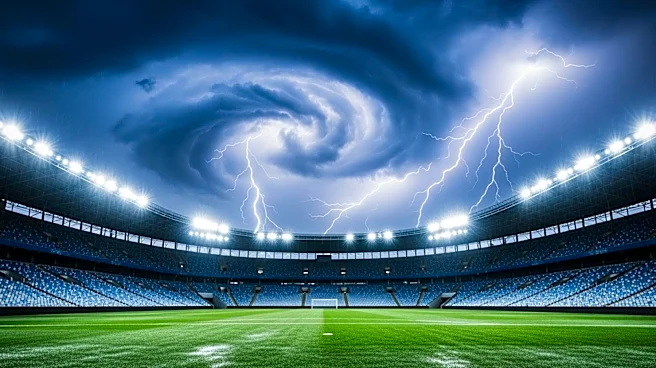
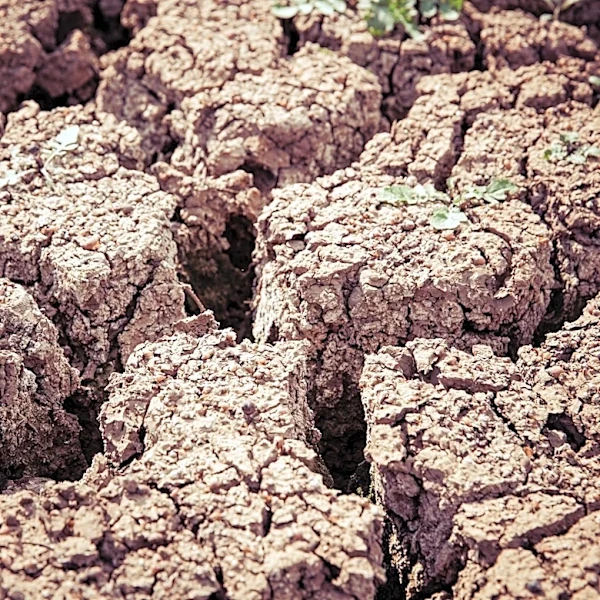
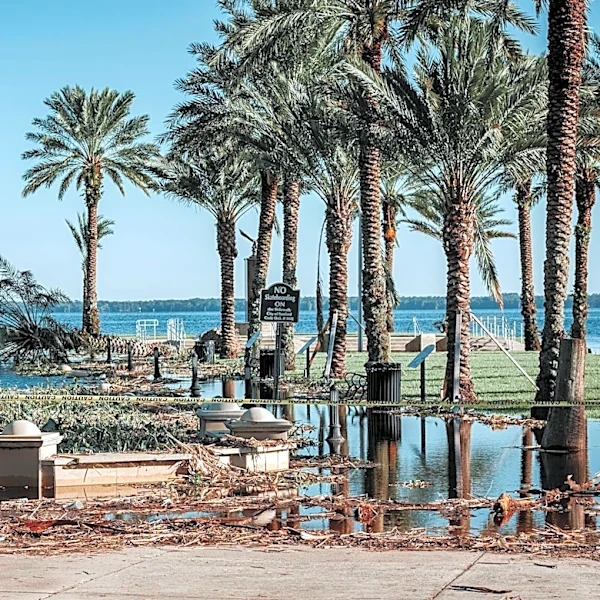
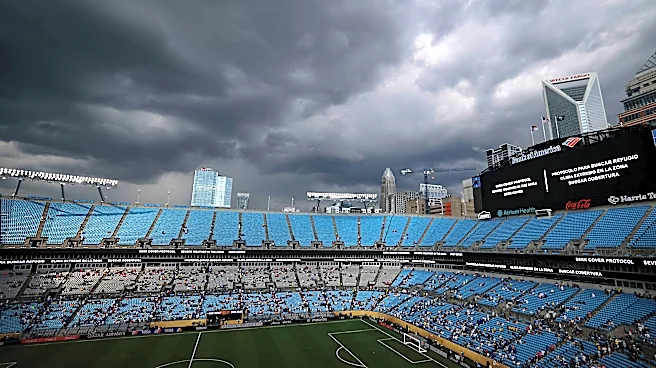
This announcement coincides with the start of the 2026 FIFA World Cup, which is being held across the United States, Canada, and Mexico. The tournament, spanning nearly six weeks, involves 104 matches and is expected to be affected by the shifting weather patterns associated with El Niño. The phenomenon, characterized by above-average ocean temperatures and atmospheric changes, can lead to extreme weather conditions such as heatwaves, storms, and droughts. Many of the World Cup host cities feature stadiums that are partially or fully exposed to the elements, increasing their vulnerability to these conditions.
Why It's Important?
The confirmation of El Niño during the 2026 FIFA World Cup raises significant concerns about the impact of extreme weather on the tournament. With many matches scheduled in open-air or non-climate-controlled venues, the potential for heatwaves and storms could affect player performance, fan experience, and overall safety. The economic implications are also notable, as weather disruptions could influence attendance and revenue. Additionally, El Niño's broader impact on global weather patterns could have far-reaching effects on agriculture, water resources, and disaster preparedness in the U.S. and beyond. The event highlights the need for robust contingency plans to manage weather-related challenges during large-scale international events.
What's Next?
As the El Niño event progresses, tournament organizers and local authorities will need to implement contingency protocols to address potential weather disruptions. This includes measures such as lightning delays, hydration stations, and cooling areas for fans. While there is currently no indication that matches will be canceled, the possibility of delays or adjustments to the schedule remains. Forecasters will continue to monitor the situation, providing updates on weather conditions and potential impacts on the tournament. The broader implications of El Niño will also be closely watched, particularly its influence on the Atlantic hurricane season and other climate-related phenomena.