







What's Happening?
Snack manufacturers in the United States are increasingly incorporating global flavors into their products to differentiate themselves in a competitive market. This trend is driven by consumer interest in experiencing diverse cultures through food. Matcha,
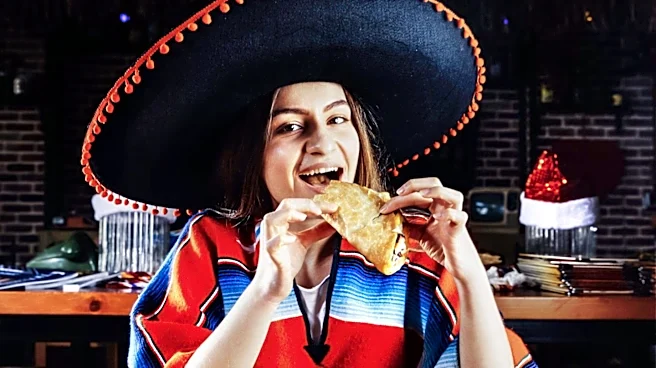
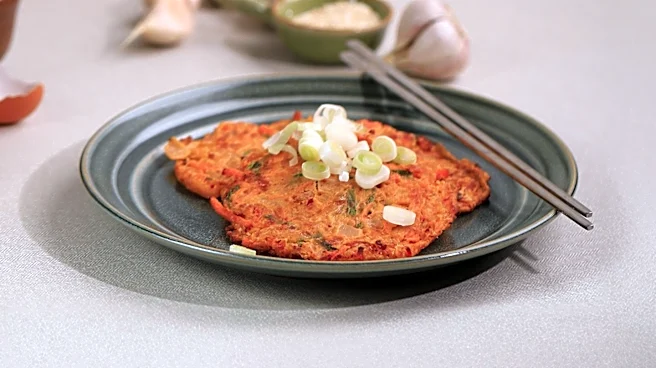
a finely ground green tea powder from Japan, is gaining popularity due to its health benefits and unique flavor profile. Companies like Wella Foods and Evo Hemp are introducing matcha-infused snacks, while international brands like Happy Nuts Day and Loacker are bringing matcha products to the U.S. market. Additionally, the 'swicy' trend, which combines sweet and spicy flavors, is gaining traction with influences from Mexican, Korean, and Middle Eastern cuisines. This includes products like mango-chili snacks and Dubai chocolate, which features Middle Eastern ingredients like pistachios and knafeh.
Why It's Important?
The incorporation of global flavors into snacks reflects a broader trend of cultural exploration through food, appealing to consumers' desire for novelty and diversity. This trend is significant for the U.S. snack industry as it seeks to capture the attention of younger, more diverse consumers who are open to trying new flavors. By offering products that merge comfort with exploration, snack manufacturers can tap into the emotional appeal of nostalgia while introducing exotic tastes. This approach not only enhances product differentiation but also aligns with health-conscious trends, as many global ingredients like matcha offer perceived health benefits. The success of these products could influence other sectors of the food industry to adopt similar strategies.
What's Next?
As global flavors continue to gain popularity, snack manufacturers are likely to expand their offerings to include more diverse and exotic ingredients. This could lead to increased collaboration with international brands and suppliers to source authentic ingredients. Additionally, the success of these products may encourage other food categories, such as beverages and desserts, to explore global flavor profiles. Consumer feedback and market performance will play a crucial role in determining which flavors become mainstream. Companies may also invest in marketing campaigns that highlight the cultural stories behind these flavors to further engage consumers.
Beyond the Headlines
The trend towards global flavors in snacks highlights a shift in consumer preferences towards more adventurous and culturally diverse food experiences. This shift may have broader implications for the food industry, including increased demand for transparency in sourcing and production practices. As consumers become more interested in the origins of their food, companies may need to provide more information about the cultural and ethical aspects of their products. Additionally, the popularity of global flavors could influence culinary education and training, as chefs and food developers seek to incorporate these trends into their work.