

What's Happening?
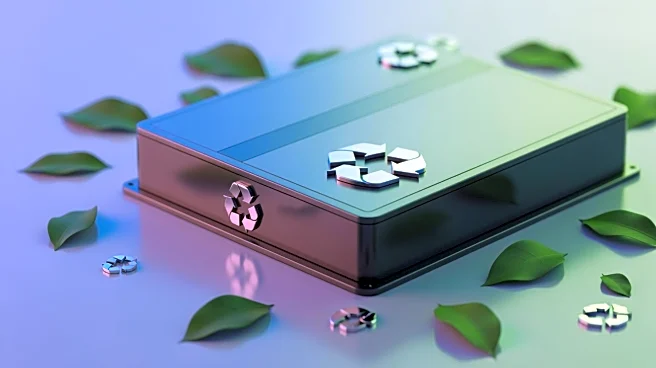
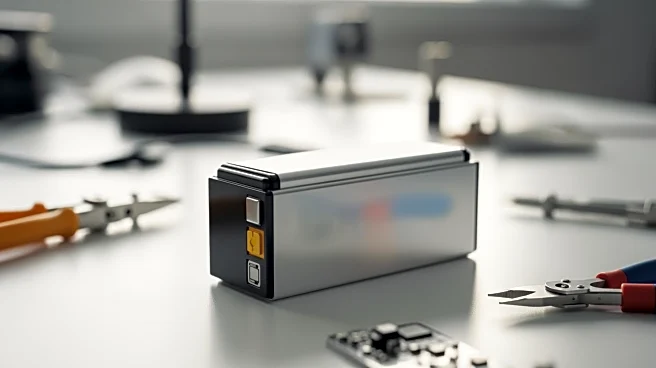
The increasing adoption of electric vehicles (EVs) has led to a growing demand for lithium-ion batteries (LiBs), presenting both challenges and opportunities for waste management. A collection of research highlights the potential for repurposing, recycling,
and regenerating 'end-of-life' EV LiBs, which retain up to 80% capacity. These batteries can be reused in stationary energy storage or consumer products, recycled to recover valuable materials, or regenerated to restore electrode materials. The research emphasizes the need for design-for-recycling approaches and the mitigation of harmful waste by-products.
Why It's Important?
The effective management of EV battery waste is crucial for supporting the green energy transition and achieving Net Zero targets. By repurposing and recycling LiBs, the industry can reduce environmental impact and resource dependency, contributing to a more sustainable energy ecosystem. This approach not only addresses waste challenges but also supports the circular economy by recovering critical materials. The research underscores the importance of innovation in battery design and recycling processes to enhance sustainability and efficiency in the EV sector.
What's Next?
As the demand for EVs continues to rise, the industry will need to develop more efficient recycling and repurposing methods to manage battery waste. Policymakers and industry leaders may need to implement regulations and incentives to promote sustainable practices. Continued research and innovation in battery technology and recycling processes will be essential to address the technical challenges and maximize the potential of 'end-of-life' LiBs. The success of these efforts could significantly impact the EV industry and contribute to global sustainability goals.