
What's Happening?
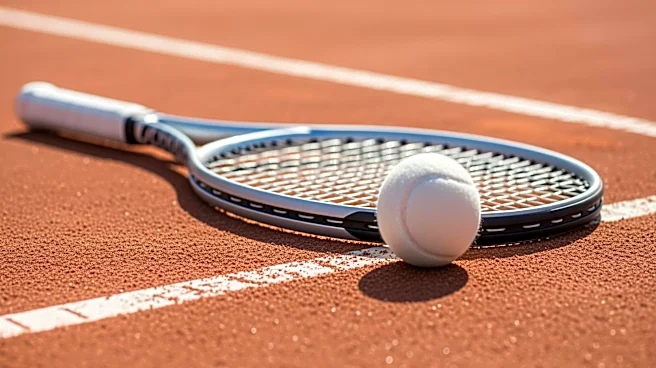
Jack Draper, a prominent British tennis player, has announced his withdrawal from the upcoming French Open and the remainder of the clay court season due to a persistent knee injury. Draper, who is 24 years old, has been dealing with a tendon issue in his right
knee, which forced him to retire from his only clay court match of the season in Barcelona. Despite initial hopes of participating in the French Open, Draper has been advised against playing five-set matches on clay to prevent further injury. This decision follows a series of withdrawals from major tournaments, including the ATP 1000 events in Madrid and Rome. Draper has expressed optimism about returning for the grass court season in June, although he is expected to fall outside the world's top 100 rankings due to his absence from the tour.
Why It's Important?
Draper's withdrawal from the French Open is significant as it highlights the ongoing challenges faced by athletes dealing with injuries. His absence from the clay court season not only affects his personal career trajectory but also impacts the competitive landscape of men's tennis. Draper had shown potential to be a formidable opponent, having previously reached the quarter-finals in Indian Wells and defeating top players like Novak Djokovic. His injury underscores the physical demands of professional tennis and the importance of managing athlete health to ensure longevity in the sport. The decision to prioritize recovery over immediate competition reflects a growing awareness of the need for sustainable athlete health practices.
What's Next?
Looking ahead, Draper aims to return to competition during the grass court season, which begins in June. His focus will be on recovery and rehabilitation to ensure he can compete at his best without risking further injury. The tennis community will be watching closely to see how Draper manages his comeback and whether he can regain his form and ranking. Additionally, his situation may prompt discussions within the sport about injury prevention and management strategies, particularly for young athletes with promising careers.