





What's Happening?
Star Catcher, a startup focused on developing a power grid in orbit, has successfully closed a $65 million Series A funding round. The round was led by B Capital, with co-leads Shield Capital and Cerberus Ventures, and additional contributions from GreatPoint
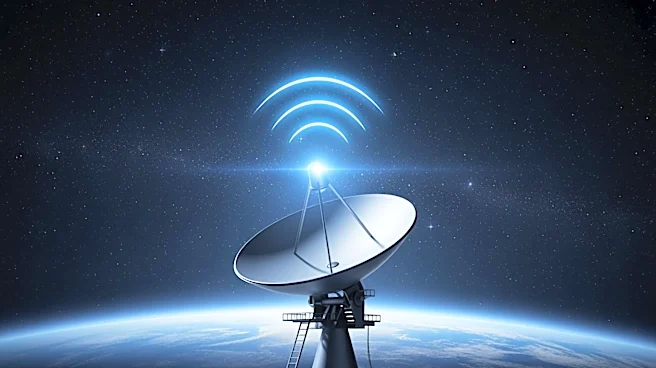
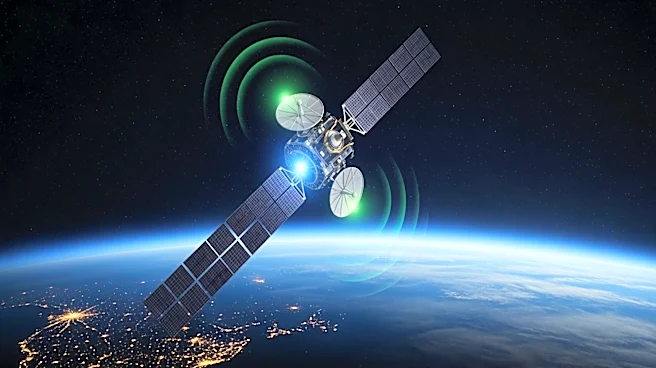
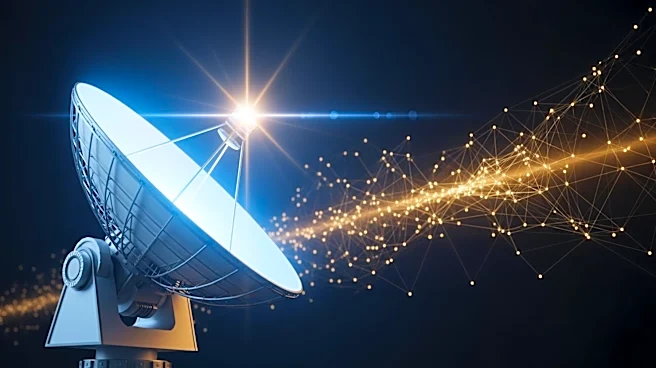
Ventures, Helena, Oceans Ventures, and MVP Ventures. This funding brings Star Catcher's total capital raised to $88 million. The company aims to collect solar power in space and beam it to other satellites or spacecraft, enhancing their power capabilities. This technology is designed to support smaller spacecraft in undertaking more power-intensive missions or to provide backup in case of mission failures, such as a solar array not deploying. The investment will also see officials from the leading firms joining Star Catcher's board, including John 'Jay' Raymond, a retired general and former Space Force chief, Jeff Johnson from B Capital, and David Rothzeid from Shield Capital. Star Catcher plans to demonstrate its power-beaming technology in orbit this year, with a second mission already in development.
Why It's Important?
The development of a space-based power grid by Star Catcher represents a significant advancement in space technology, with potential applications in both commercial and government sectors. By enabling smaller spacecraft to undertake more demanding missions, this technology could revolutionize satellite operations and expand the capabilities of space exploration. The involvement of high-profile investors and former military officials underscores the strategic importance of this technology, particularly for U.S. national security interests. The ability to beam power in space could lead to more resilient and flexible satellite networks, enhancing communication, surveillance, and other critical functions. This innovation aligns with broader efforts to strengthen the U.S. presence in space and maintain technological leadership in the face of growing international competition.
What's Next?
Star Catcher is set to conduct its first orbital demonstration of the power-beaming technology this year, following a successful terrestrial demo in March 2025. The company is also planning a second space mission, indicating a rapid progression in its development timeline. As the technology matures, it is likely to attract further interest from both commercial and government entities, potentially leading to partnerships or contracts with national security agencies. The success of these demonstrations could pave the way for broader adoption of space-based power solutions, influencing future satellite design and mission planning.