


What's Happening?
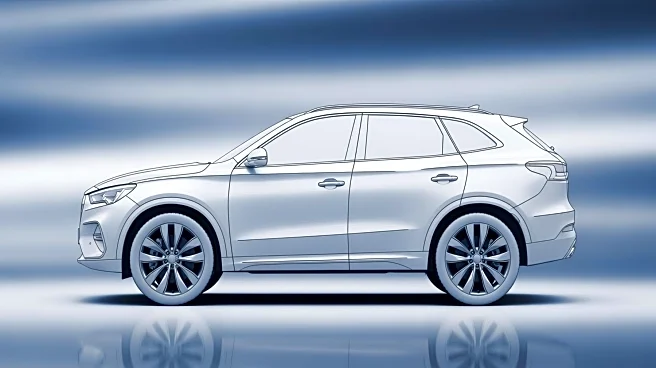
Consumer Reports has released its list of the most reliable SUVs for 2026, highlighting models such as the Buick Envision, Subaru Forester Hybrid, and Honda CR-V. The Buick Envision is noted for its smooth ride and quiet performance, although its fuel
economy is modest at 23 mpg overall. The Subaru Forester Hybrid stands out with a significant improvement in fuel efficiency, achieving 34 mpg overall, thanks to its electric motor and lithium-ion battery. The Honda CR-V, despite gaining size and weight, maintains its practicality and functionality, although its fuel economy has slightly regressed. These models are part of a broader trend where SUVs have become increasingly popular in the U.S., accounting for 52% of new vehicle sales in 2025. This shift is attributed to consumer perceptions of safety and the higher profit margins for automakers.
Why It's Important?
The growing popularity of SUVs in the U.S. market has significant implications for both consumers and automakers. For consumers, SUVs are often perceived as safer due to their larger size and higher ride height, which can reduce the impact in collisions. However, they also come with trade-offs such as higher rollover risks and less agile handling compared to smaller vehicles. For automakers, the increased demand for SUVs represents a lucrative opportunity, as these vehicles typically offer higher profit margins compared to smaller cars. This trend is likely to influence manufacturing priorities and marketing strategies, as companies focus on producing models that align with consumer preferences for safety and reliability.
What's Next?
As the demand for SUVs continues to rise, automakers are expected to invest in further innovations to enhance safety features and fuel efficiency. This could include advancements in hybrid and electric technologies, as seen with the Subaru Forester Hybrid. Additionally, consumer watchdogs like Consumer Reports will continue to play a crucial role in guiding consumer choices by providing reliable assessments of vehicle performance and safety. The automotive industry may also see increased competition as manufacturers strive to meet the evolving expectations of consumers who prioritize reliability and safety in their vehicle purchases.
Beyond the Headlines
The shift towards SUVs reflects broader cultural and economic trends in the U.S., where consumers are increasingly prioritizing comfort and perceived safety over fuel efficiency. This trend may also have environmental implications, as larger vehicles typically consume more fuel and contribute to higher emissions. As such, there is a growing need for automakers to balance consumer demands with environmental considerations, potentially leading to more sustainable innovations in vehicle design and production. Additionally, the emphasis on reliability and safety in vehicle choice underscores the importance of consumer education and informed decision-making in the marketplace.